Starting with a solid block of material and removing what is not needed, subtractive manufacturing follows a principle that dates back to traditional carving while achieving the precision of modern CNC machining. In this post, we’ll explore how subtractive manufacturing works, the processes behind it, its advantages, and why it remains an essential approach alongside today’s additive technologies.
What Is Subtractive Manufacturing?
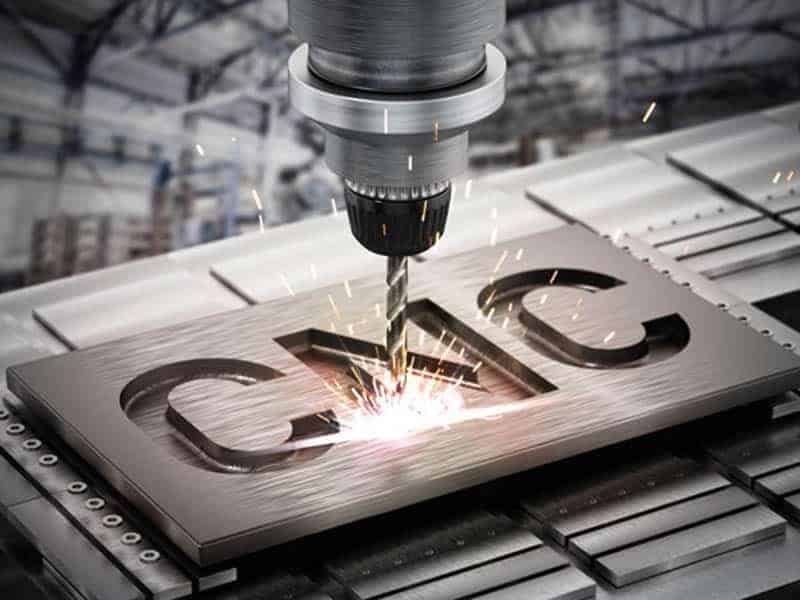
Subtractive manufacturing is a manufacturing process that creates parts by removing material from a solid workpiece through operations such as cutting, drilling, milling, turning, or grinding until the desired geometry is achieved. The process begins with a larger piece of material and gradually removes excess stock to form the final part, similar to how a sculptor shapes a block of marble into a finished piece.
How Do Subtractive Manufacturing Processes Work?
While subtractive manufacturing includes many processes—from manual machining and laser cutting to CNC milling—most follow a similar workflow, with differences mainly in tools and automation levels.
- Design — The desired part geometry is defined using CAD software, though traditional drawings or manual measurements may also guide simpler jobs.
- Method & Tool Selection — A suitable process is selected based on material, precision requirements, and part complexity, ranging from manual machining and laser cutting to CNC milling or EDM.
- Material Setup — Raw stock is secured in place, whether on a lathe, milling machine, or automated machine bed.
- Material Removal — Excess material is removed through cutting, drilling, grinding, or electrical discharge, following programmed instructions in automated methods or operator control in manual processes.
- Finishing & Inspection — The part is deburred, polished when needed, and inspected against design specifications for accuracy.
Subtractive vs. Additive Manufacturing
Subtractive manufacturing is often discussed alongside its conceptual counterpart: additive manufacturing (commonly known as 3D printing). Additive manufacturing is a broad term describing processes that build parts by adding material layer by layer. Since the two approaches follow different material-building strategies, they are often compared side by side.
| Aspect | Subtractive Manufacturing | Additive Manufacturing |
|---|---|---|
| Core Process | Removes material from a solid workpiece | Builds parts layer by layer |
| Material Waste | Higher—removed material may become scrap | Lower—material is added only where needed, though support structures may create waste |
| Precision & Surface Finish | Generally higher, especially for metal parts | Improving, but often requires post-processing |
| Design Complexity | Limited by tool access and cutting geometry | Can produce complex internal geometries |
| Production Efficiency for Simple Parts | Often faster for standard shapes | May be slower for solid, high-volume parts |
| Typical Materials | Metals, plastics, wood, composites | Plastics, resins, metal powders |
In practice, many projects combine both approaches—using additive manufacturing for rapid prototyping, lightweight structures, or complex geometries, then applying subtractive processes when tighter tolerances and better surface finishes are required.
Common Subtractive Manufacturing Processes
Subtractive manufacturing encompasses a range of techniques, each suited to different materials, part geometries, precision requirements, and production needs. Here are the most widely used methods:
CNC Milling
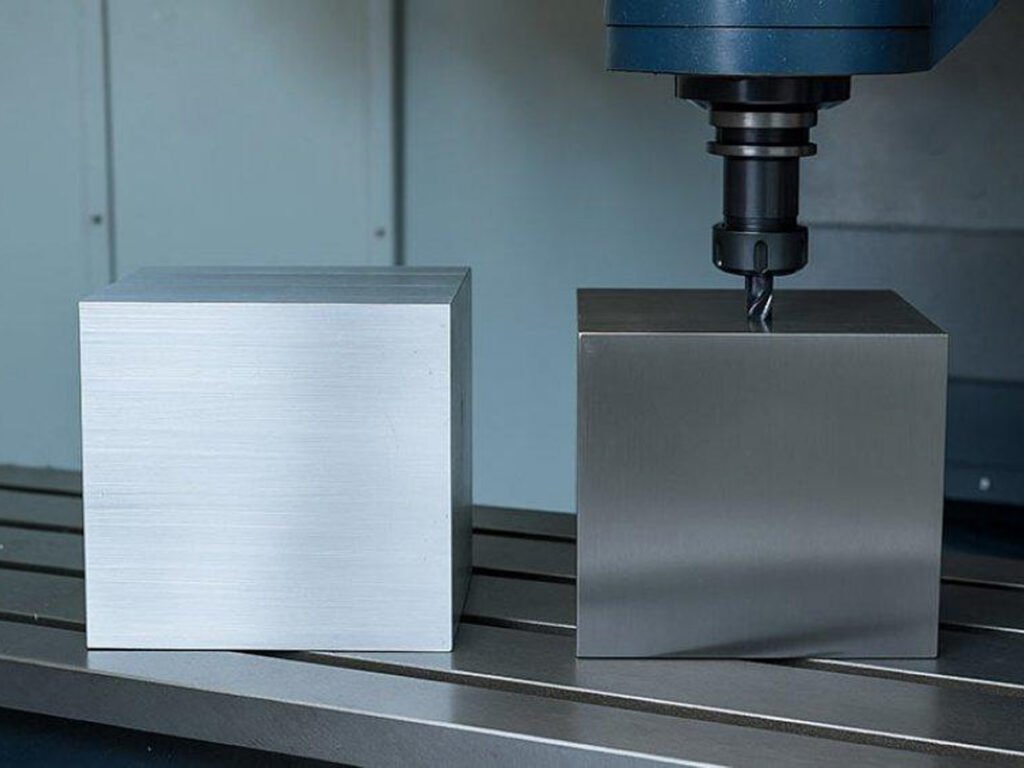
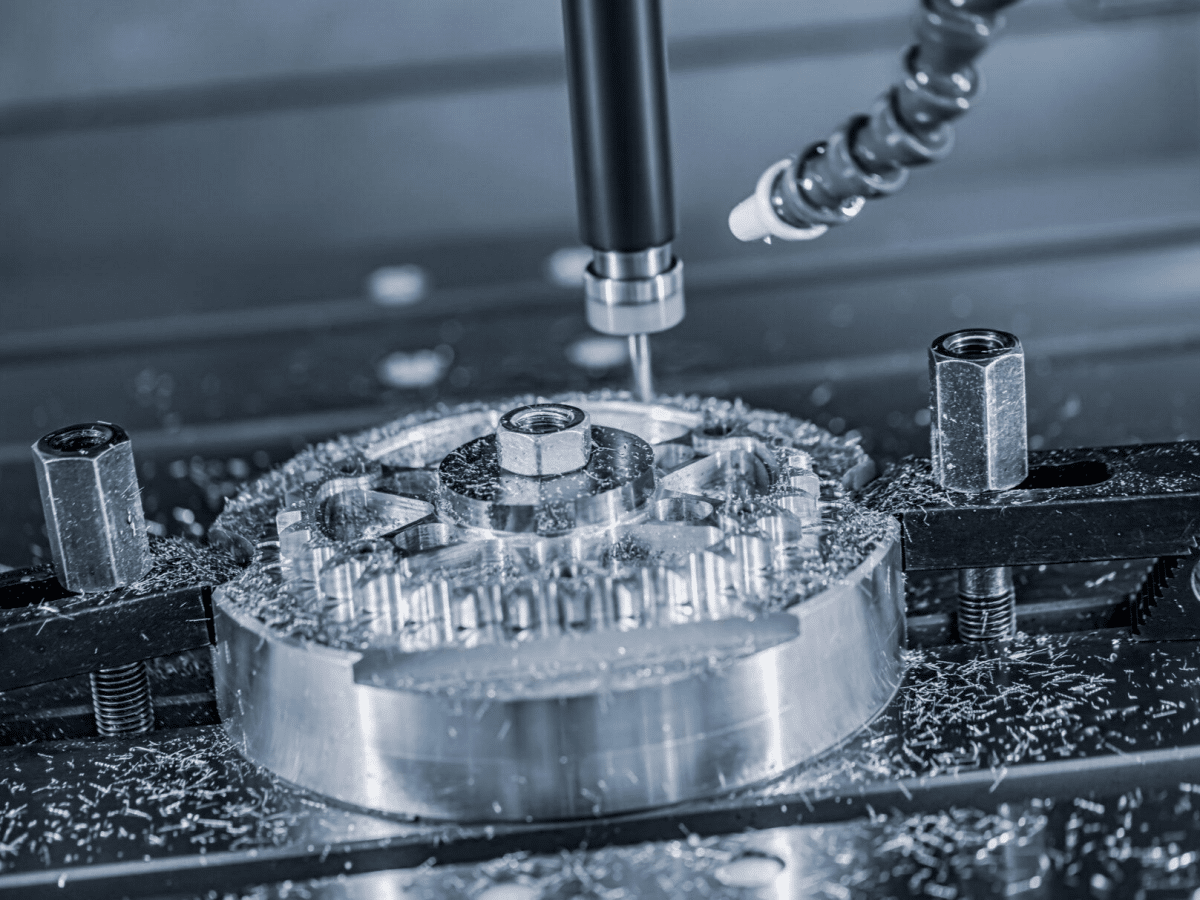
A rotating cutting tool removes material from a stationary workpiece, moving along programmed axes to create flat surfaces, slots, pockets, and complex 3D contours. It is one of the most versatile subtractive processes, widely used for prototyping, tooling, and production parts.
CNC Turning
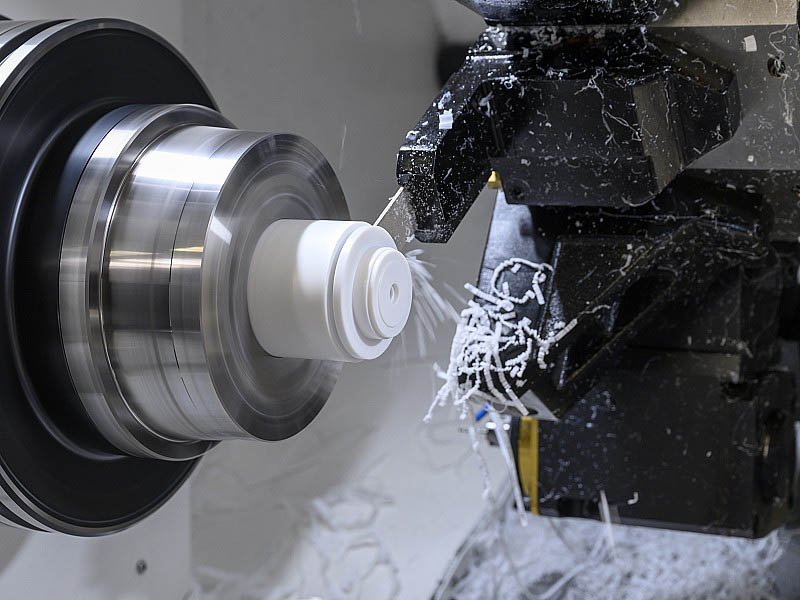
The workpiece rotates on a lathe while a cutting tool removes material to create cylindrical features. It is ideal for producing parts such as shafts, bushings, and fittings.
Drilling
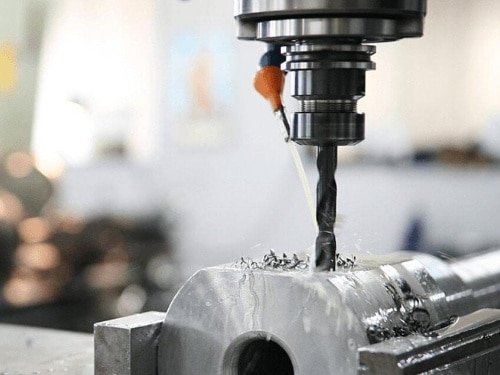
A straightforward but essential process that creates round holes using a rotating drill bit, often performed as a secondary operation alongside milling or turning.
Grinding
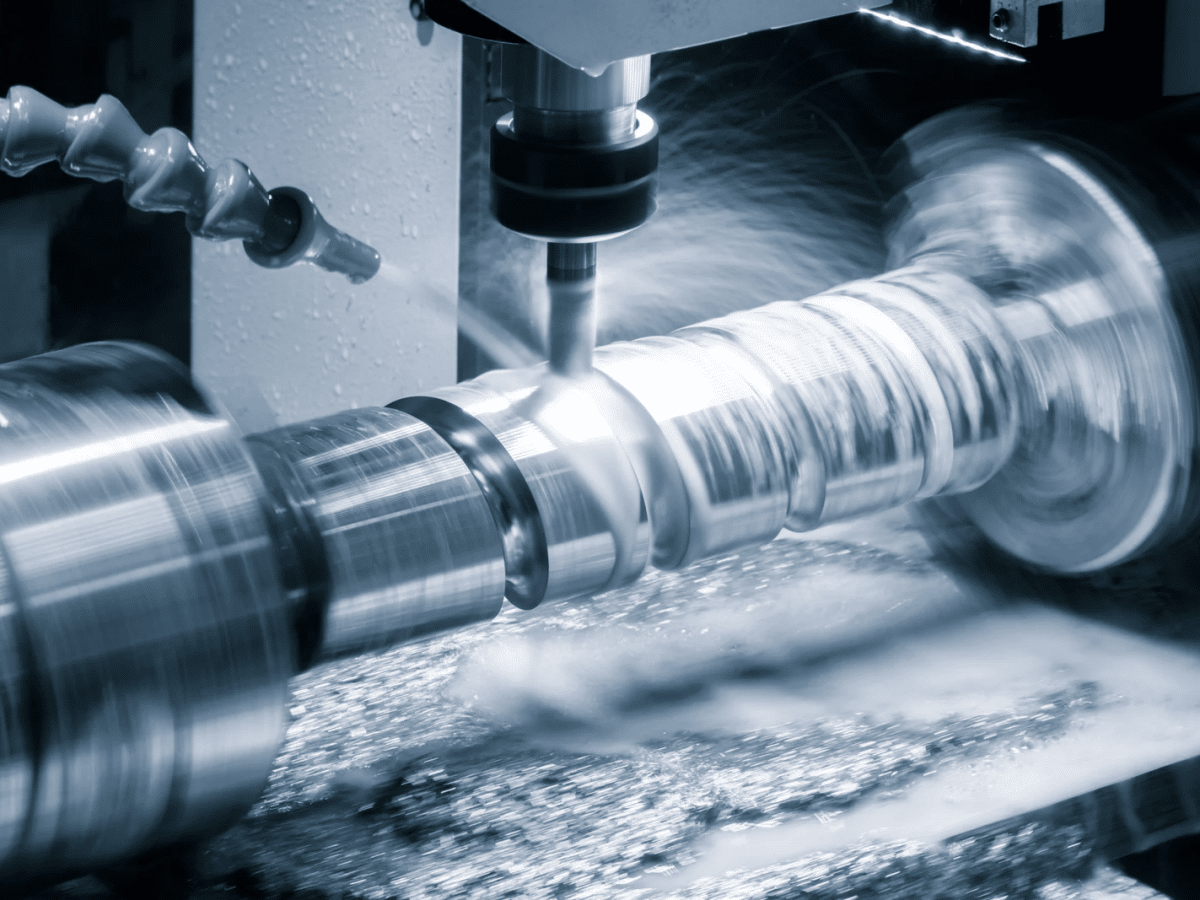
An abrasive wheel removes small amounts of material to achieve tight tolerances and fine surface finishes, typically used as a finishing operation after primary machining.
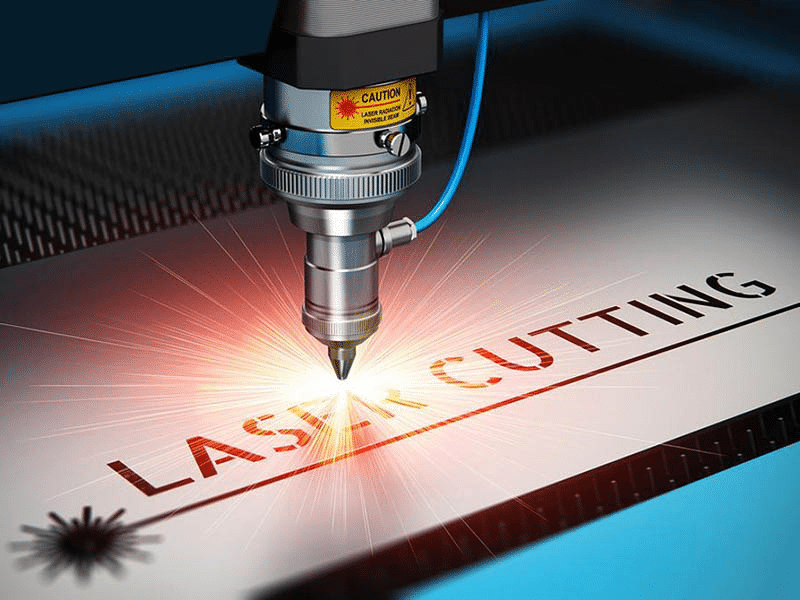
Laser Cutting
A focused laser beam melts, burns, or vaporizes material along a precise path, making it suitable for thin sheets of metal, plastic, and wood, especially for intricate 2D profiles.
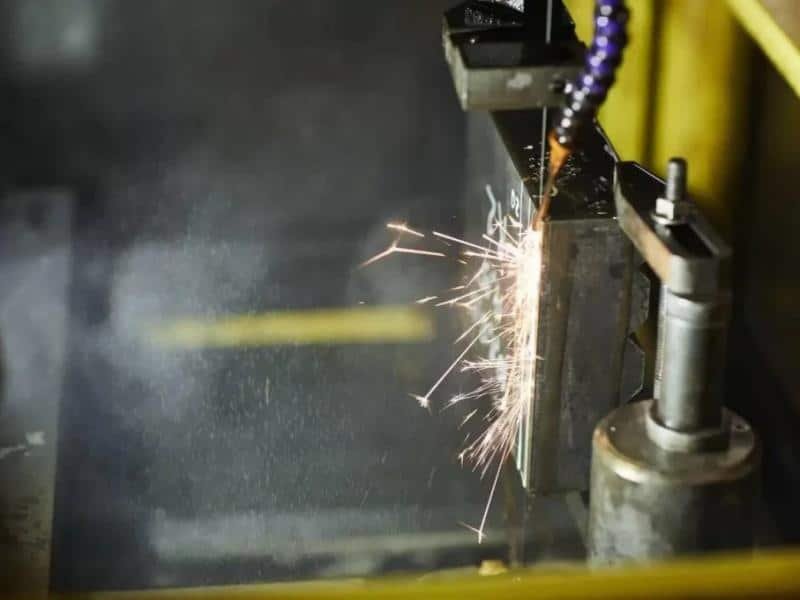
Electrical Discharge Machining (EDM)
Material is removed through controlled electrical sparks between an electrode and the workpiece, allowing the machining of extremely hard metals and complex cavities that are difficult to produce with conventional cutting tools.
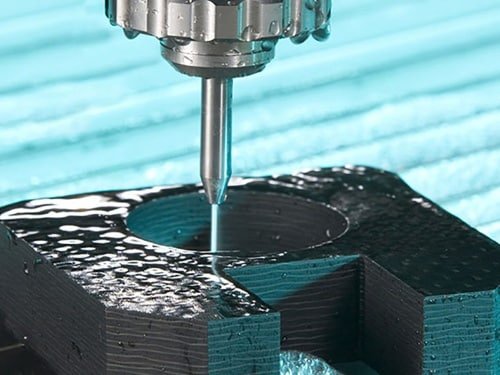
Waterjet Cutting
A high-pressure stream of water, sometimes mixed with abrasive particles, cuts through material without significant heat generation, making it useful for materials sensitive to thermal distortion.
Materials for Subtractive Manufacturing
Because subtractive processes remove material rather than build it up, they can work with a much wider range of materials than most additive methods—provided the material can withstand cutting forces, heat, or abrasion without cracking or deforming.
Metals
Aluminum, steel, stainless steel, titanium, and brass are among the most frequently machined metals. They’re valued for their strength, durability, and precision when cut, making them staples in aerospace, automotive, and industrial applications.
Plastics
Materials like ABS, nylon, acrylic, and polycarbonate are common in subtractive processes, especially for prototyping and low-volume production. Plastics generally machine faster than metals but require careful speed control to avoid melting or warping.
Wood
Wood remains a classic material for subtractive processes, from traditional carpentry to CNC-routed furniture and decorative panels. Its workability varies by species, affecting tool choice and cutting speed.
Composites
Carbon fiber and fiberglass composites are increasingly machined for aerospace and automotive applications, though their abrasive nature often requires specialized tooling, such as diamond-coated cutters, to prevent excessive wear.
Foam
Rigid foam is often used for rapid prototyping, mold-making, or architectural modeling, prized for being lightweight and easy to shape quickly with cutting or milling tools.
Advantages of Subtractive Manufacturing
With a clear picture of how subtractive manufacturing works and what materials it supports, it is worth looking at why this approach remains widely used across many industries.
High Precision & Tight Tolerances
Subtractive processes, especially CNC machining, can achieve tight tolerances and excellent surface finishes, making them suitable for applications where accuracy is critical, such as aerospace components and medical devices.
Broad Material Compatibility
As covered earlier, subtractive manufacturing works with metals, plastics, wood, composites, and other materials, including many options that are challenging to process with additive methods.
Consistent Mechanical Properties
Because parts are machined from solid stock, they typically maintain consistent material properties throughout the part, without the layer bonding considerations associated with some additive processes.
Minimal Post-Processing Requirements
Many subtractively machined parts can be used directly after machining, with additional steps such as polishing, coating, or heat treatment applied only when specific surface or performance requirements are needed.
Efficient for Low-to-Medium Volume Production
After programming and setup are completed, subtractive processes can produce parts efficiently and consistently for repeat production runs, making them cost-effective for prototypes, custom parts, and low-to-medium volume applications.