Mill-turn machining sounds exactly like what it is: a combination of milling and turning, and that’s precisely the case. But that simplicity is easy to underestimate. Bringing both processes into a single setup on one machine can change how features are designed, how accurately their relationships are maintained, and how much time and cost go into producing the finished part.
What Is CNC Milling?
Quick refresher, then: CNC milling is a subtractive process where rotating cutting tools remove material from a workpiece, guided by pre-programmed toolpaths.
The process can produce flats, pockets, slots, holes, and complex contours with consistent accuracy and repeatability. It’s a versatile way to shape parts — and it’s also half the story that mill-turn machining builds on.
What Is CNC Turning?
CNC turning flips the setup around: the workpiece spins while a cutting tool moves along its surface, removing material to form cylindrical and other rotational features — shafts, bushings, threaded parts, and more.
Where milling excels at flats, pockets, and other non-rotational features, turning is well suited to parts built around a central axis. Put the two together, and you get the two core processes that mill-turn machining draws on.
What Is Mill-Turn Machining?
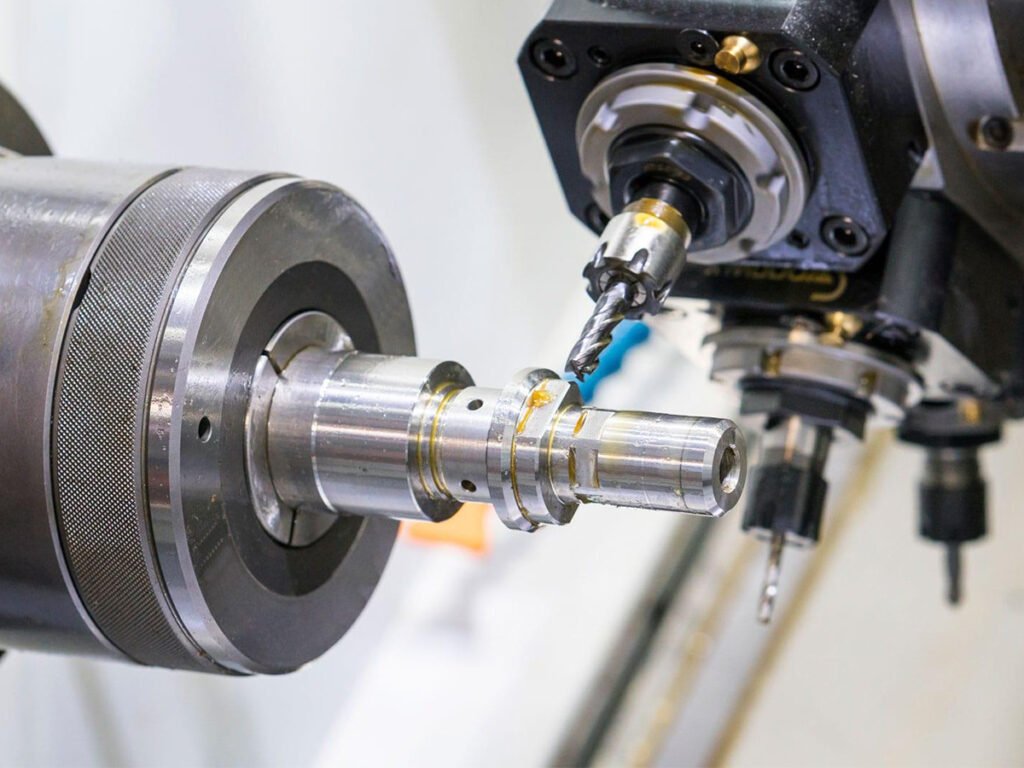
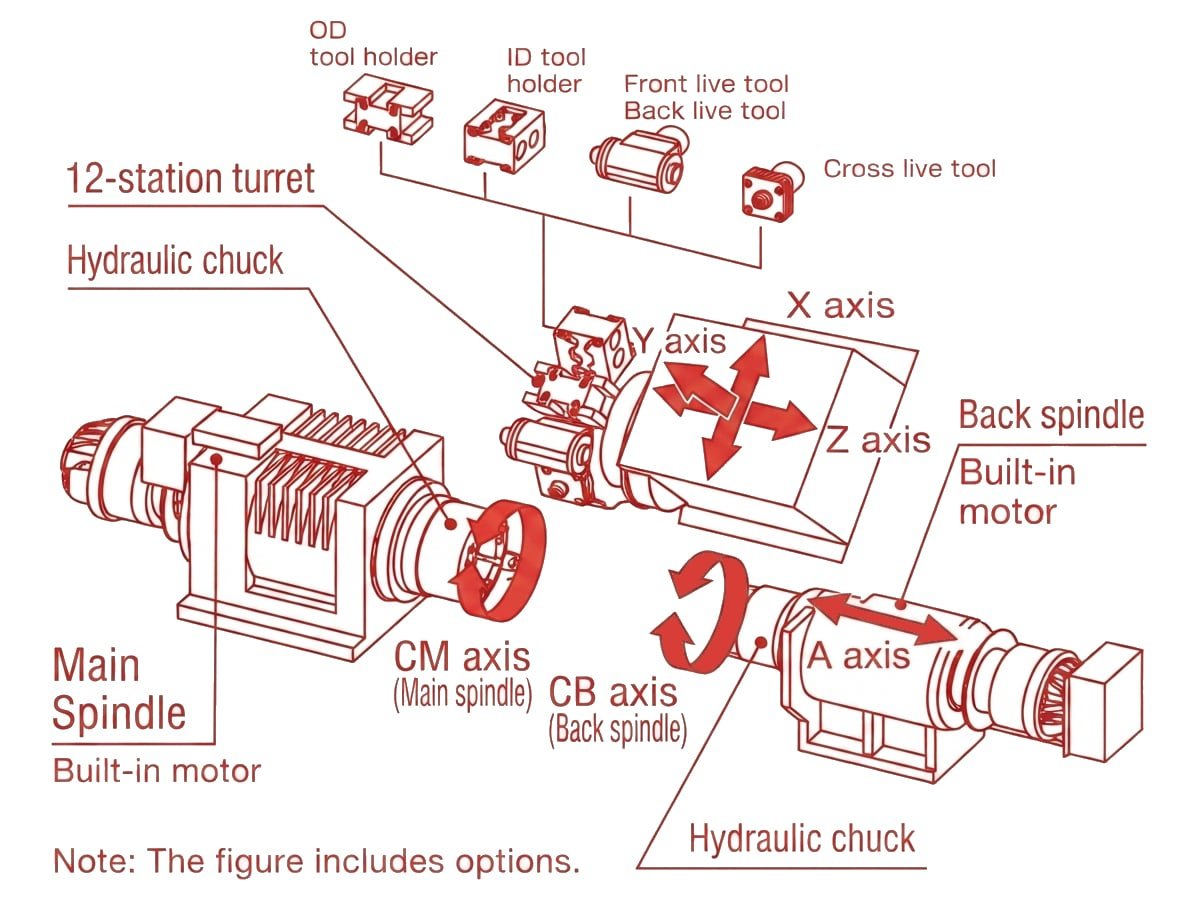
Mill-turn machining combines milling and turning on a single machine, in a single setup. The workpiece can rotate for turning and remain stationary while live tooling performs milling operations, often within the same cycle. One machine, one fixturing, one continuous process — from raw stock to finished part.
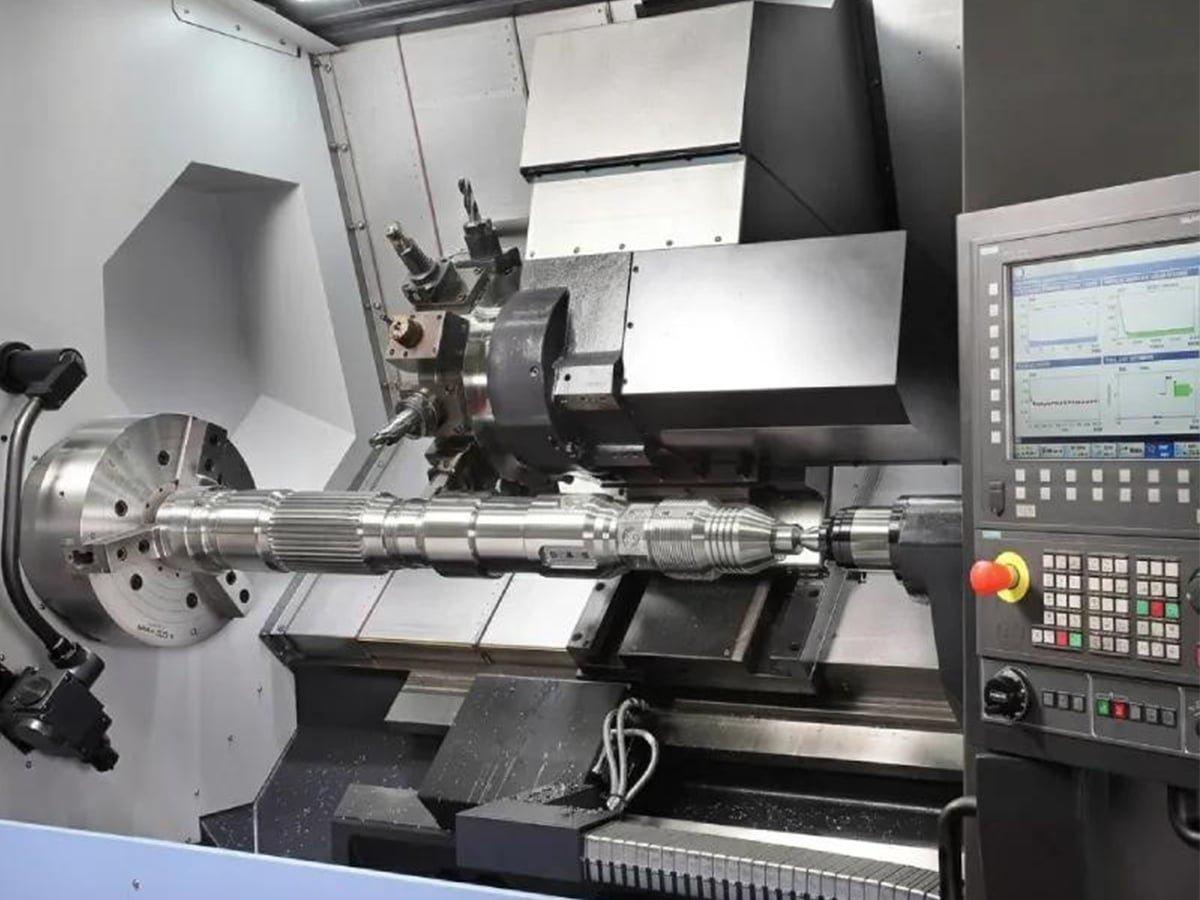
Some mill-turn machines also offer multi-axis capabilities, but the two terms are not interchangeable: mill-turn refers to combining turning and milling, while multi-axis refers to coordinated movement across multiple axes.
How Does It Work?
- Workholding: The workpiece is secured in a spindle that can rotate it for turning operations.
- Turning phase: Cutting tools shape the rotating stock into cylindrical features — outer diameters, tapers, and threads.
- Live tooling engages: Rotating tools (mills, drills) activate on additional axes, cutting flats, cross-holes, or contours while the part remains chucked.
- Synchronized motion: Advanced machines coordinate spindle rotation with tool movement, allowing milling and turning operations to be performed in the same cycle.
- Single-setup completion: The finished part comes off the machine complete, with no transfer to a second machine required.
Choosing the Right Mill-Turn Configuration for Your Part
Not every mill-turn machine suits every job — the right configuration depends on part geometry, batch size, and how much complexity needs to be handled in one cycle. The key is to match the machine’s capabilities to the features your part requires.
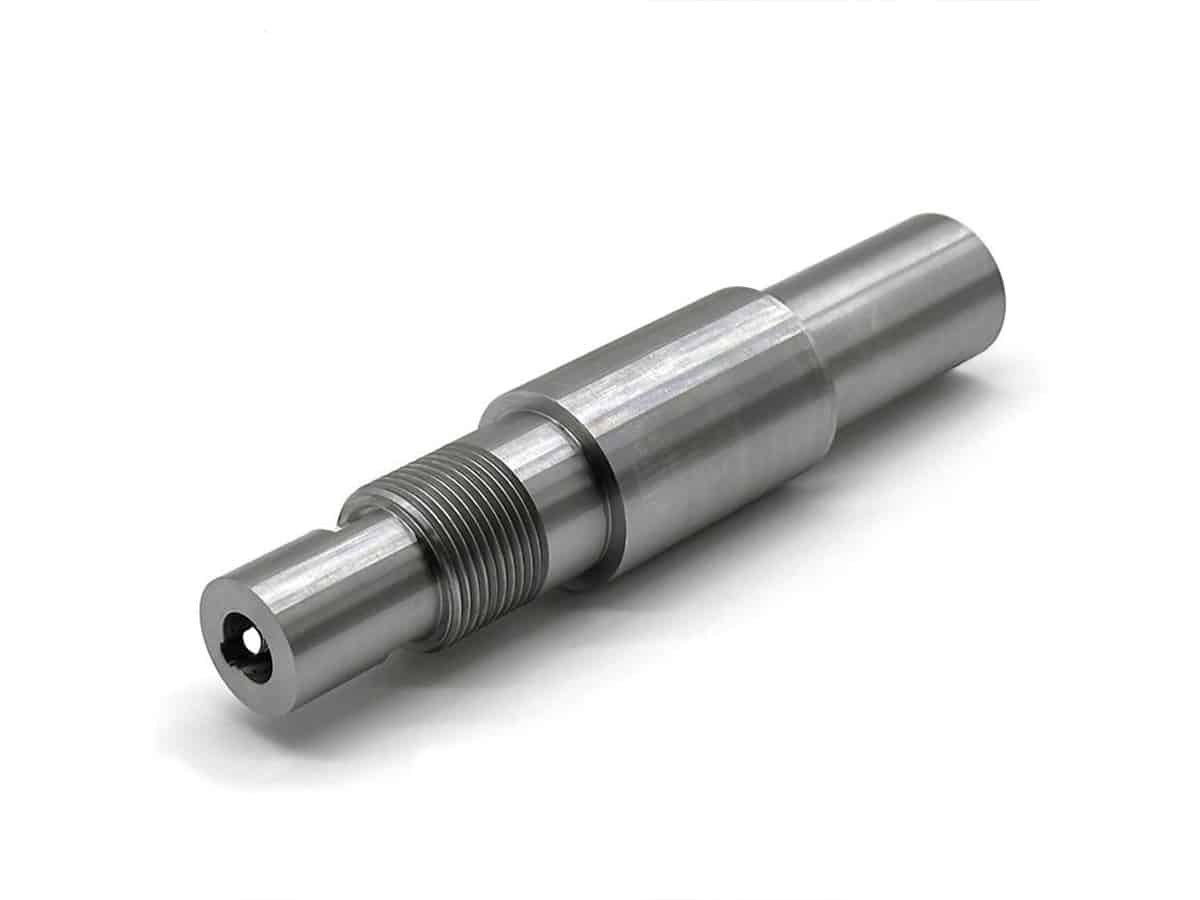
X and Z Axes: Basic Turning Features
X and Z axes handle core turning operations such as outer diameters, steps, tapers, and threads on rotational parts.
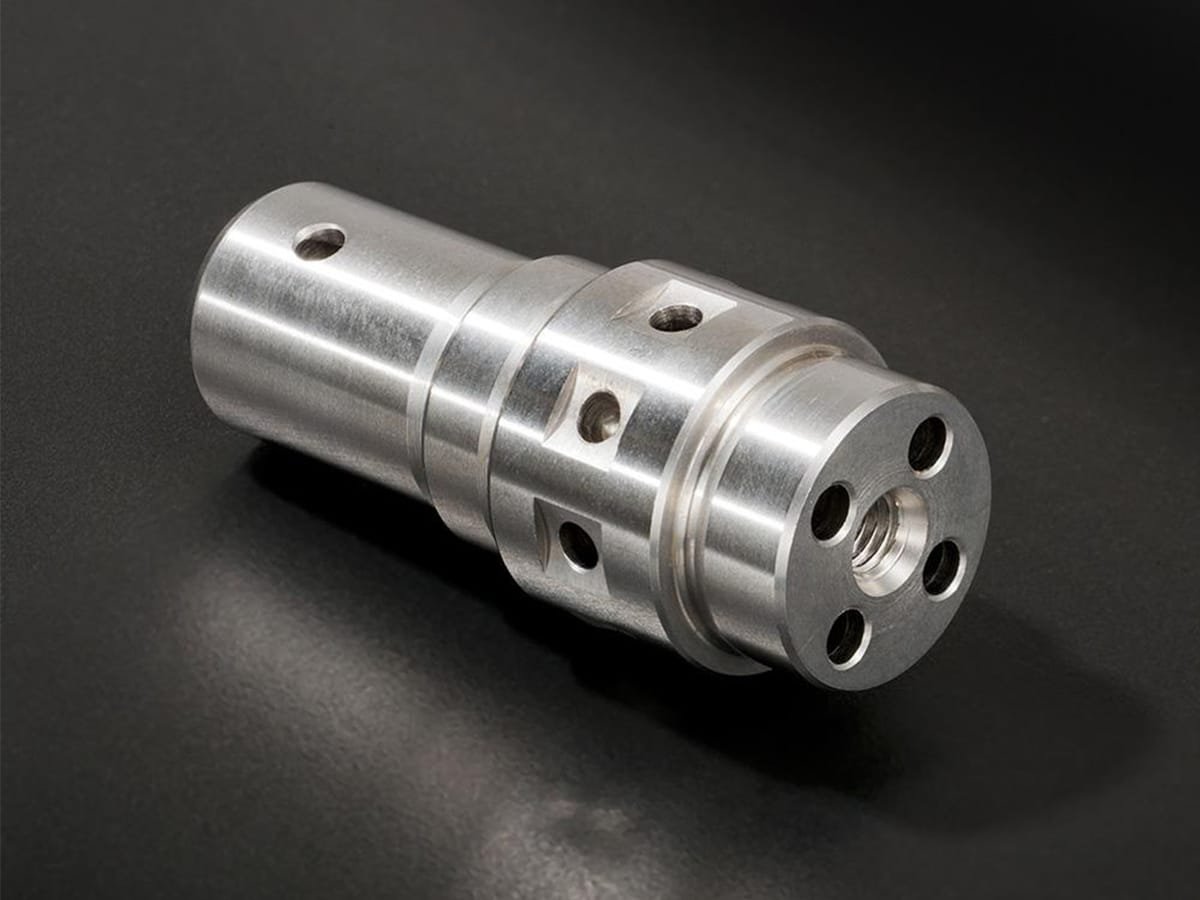
C-Axis: Radial and Circumferential Features
C-axis positioning allows live tooling to machine features around the part, such as cross-holes, flats, and slots.
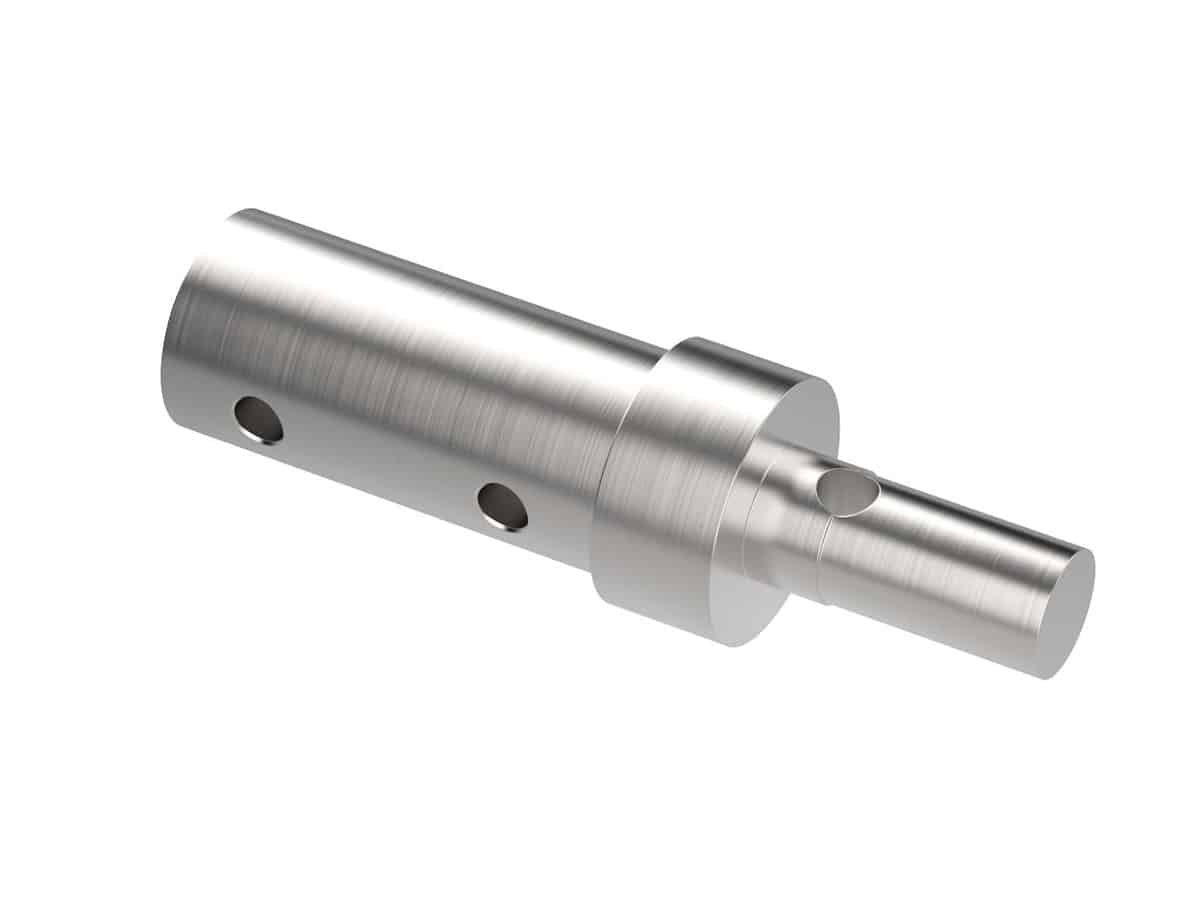
Y-Axis: Off-Center Features
Y-axis movement gives live tooling access to features offset from the centerline, making it useful for off-center holes, slots, and milling contours.
B-Axis: Angled Features
B-axis movement changes the tool orientation to reach angled holes, inclined surfaces, and more complex 3D features.
Spindle Count: Back-Machining Requirements
A single spindle covers straightforward parts, while a sub-spindle can transfer the workpiece internally for back-machining and reduce the need for a second setup.
Live Tooling, Bar Capacity, and Control
Driven-tool capacity, bar capacity, and CNC control should match the required operations, raw stock, part dimensions, and programming demands.