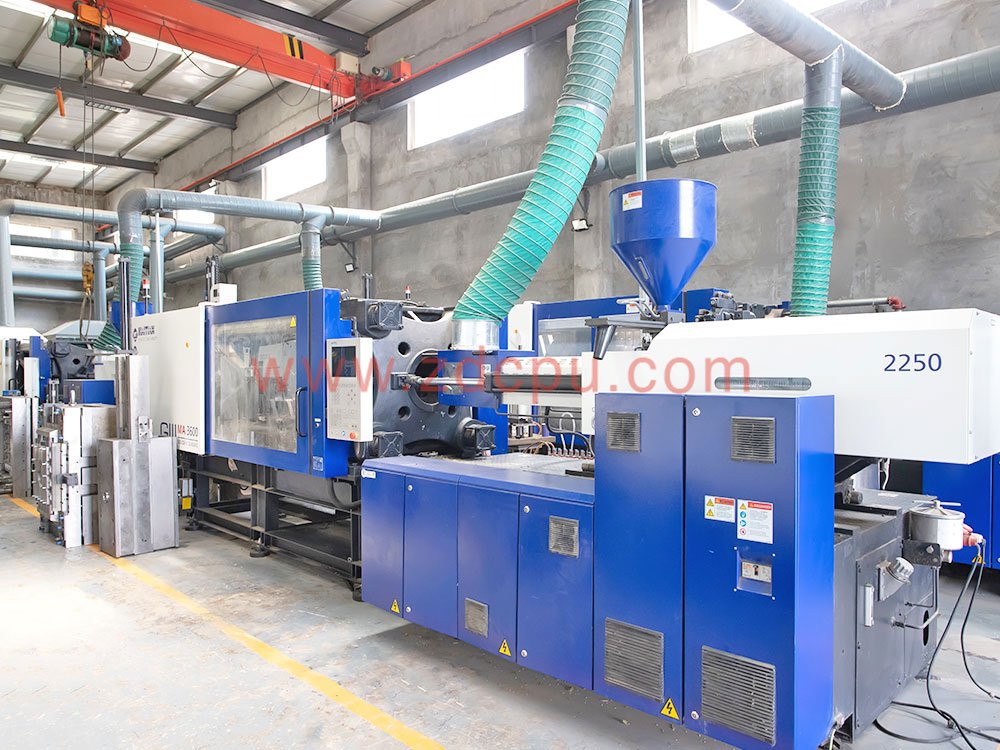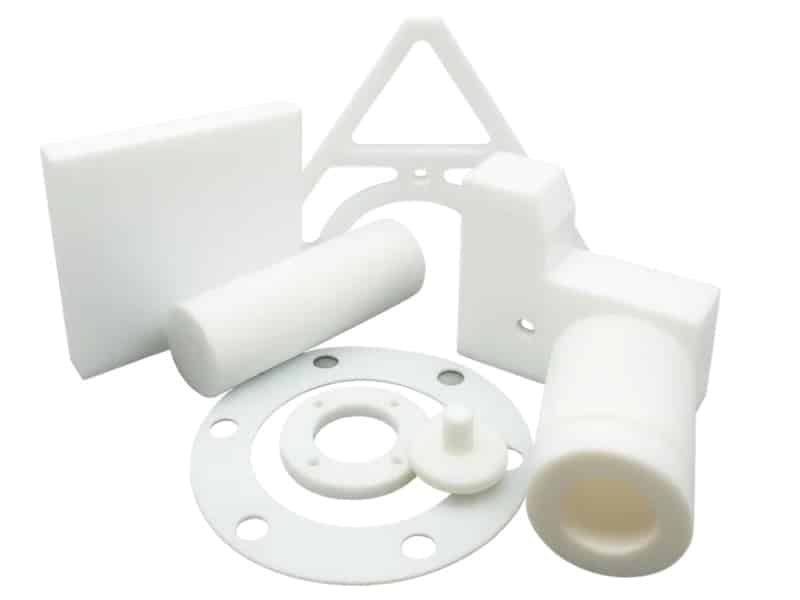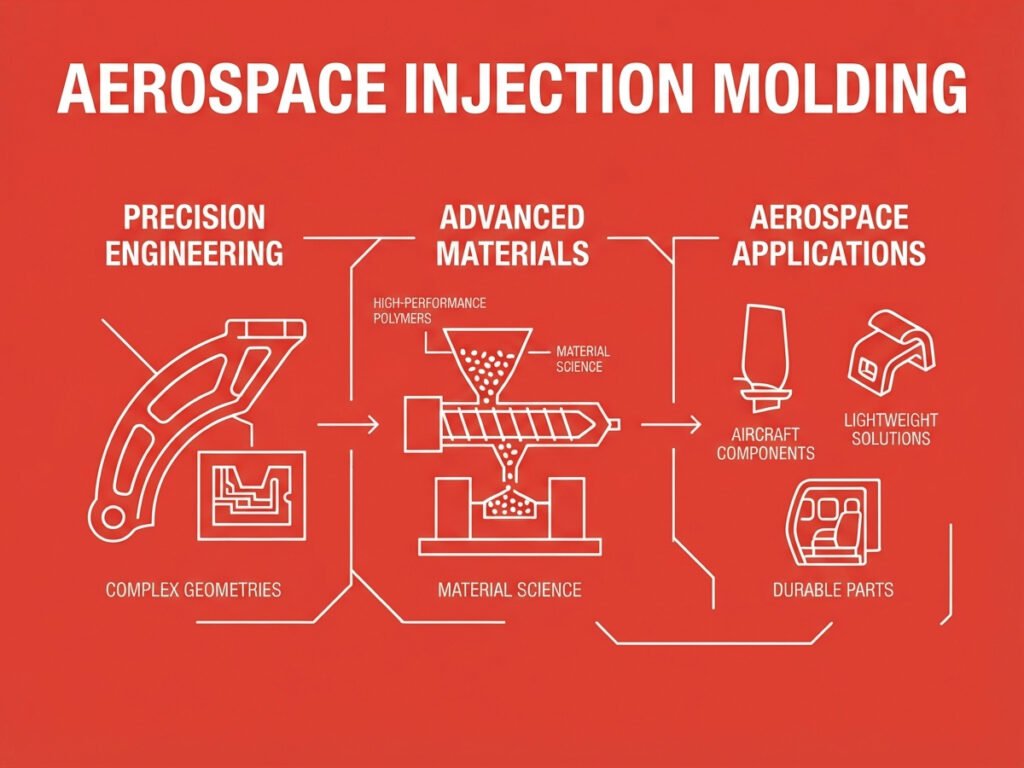
When you look at an aircraft, you probably notice the metal structure first. But behind the visible frame are thousands of smaller components made from advanced polymers — parts that manage airflow, protect electronics, reduce weight, and support daily operation. Aerospace injection molding is the technology that turns these high-performance materials into precise, reliable components designed for the unique challenges of flight.
What Is Aerospace Injection Molding?
Aerospace injection molding refers to the use of injection molding technology to create lightweight, high-performance plastic parts for aircraft and aerospace systems. It combines precision tooling with advanced polymers, allowing engineers to produce complex components with consistent dimensions, reliable performance, and reduced weight.
In simple terms, aerospace injection molding is a more demanding version of conventional injection molding, where every detail — from material selection and mold design to production control — must meet a higher standard.
Why Is Aerospace Injection Molding Special?
Aerospace injection molding may use the same basic principle as conventional injection molding — melting plastic pellets and injecting them into a mold. However, the similarity largely ends there.
Extreme Material Demands
Aerospace plastics must achieve a difficult balance: they need to be strong enough to survive harsh operating conditions while remaining lightweight enough to contribute to weight reduction. These materials may face temperature extremes from below freezing to above 200°C, along with UV exposure, fuel contact, chemicals, and continuous vibration throughout their service life.
Traceability Beyond Quality Control
For aerospace components, quality does not end with inspection. Every resin batch, mold cycle, processing parameter, and inspection record must be documented and traceable throughout the component’s service life. This level of tracking ensures that every part has a clear manufacturing history, even decades after production.
Certification Shapes the Entire Process
Aerospace standards such as AS9100, FAA, and EASA requirements shape every stage of the manufacturing process. From material selection and design validation to molding, inspection, and documentation, each step must follow strict procedures to ensure consistent quality and long-term reliability. These certification requirements often make aerospace projects more detailed and time-intensive than typical injection molding applications.
Low Volume, High Stakes Production
Unlike automotive or consumer products, aerospace components are rarely produced in millions of units. Production runs are often much smaller, but each part requires extensive engineering, testing, and validation. The cost of getting a part wrong is far greater than the cost of producing it.
Materials Used in Aerospace Injection Molding
Material selection is one of the most critical factors in aerospace injection molding. Aerospace components often need to balance several demanding requirements at the same time — high strength, low weight, thermal stability, chemical resistance, and long-term reliability. For this reason, aerospace applications typically rely on high-performance engineering plastics rather than standard commodity polymers.
PEEK (Polyether Ether Ketone)
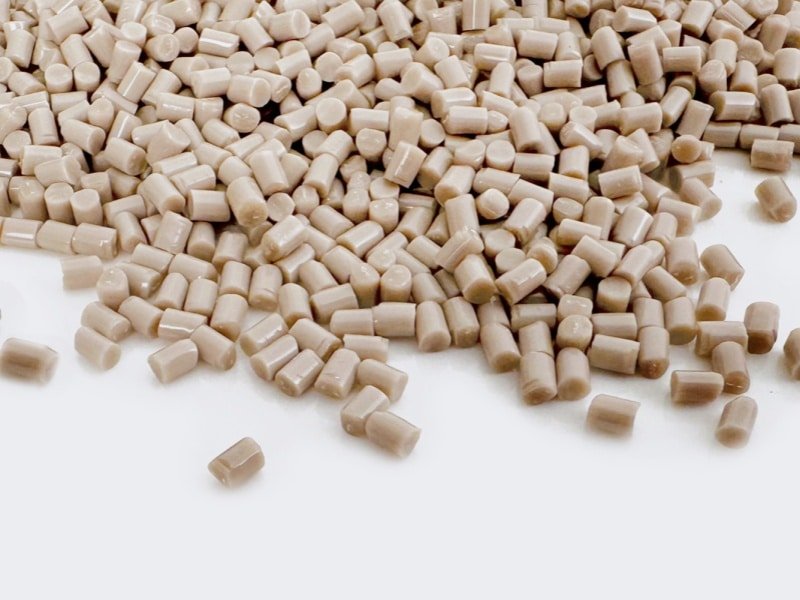
PEEK is one of the most widely used high-performance polymers in aerospace applications. It maintains excellent mechanical strength at continuous service temperatures around 250°C and provides outstanding resistance to fuels, chemicals, wear, and fatigue. These properties make it suitable for structural brackets, bushings, seals, electrical connectors, and precision components.
Its lightweight advantage also makes PEEK a potential alternative to certain metal parts. However, its high melting temperature and semi-crystalline structure require precise mold temperature control to achieve proper crystallinity and dimensional stability.
PEI (Ultem)
PEI, commonly known by the brand name Ultem, is widely used for aircraft interior components due to its excellent flame, smoke, and toxicity (FST) performance. It is commonly found in seat components, tray tables, air ducts, and lighting housings that require strict fire safety compliance.
As an amorphous thermoplastic, PEI offers good dimensional stability and relatively easier processing compared with semi-crystalline materials such as PEEK. However, it provides lower chemical resistance and impact performance than PEEK.
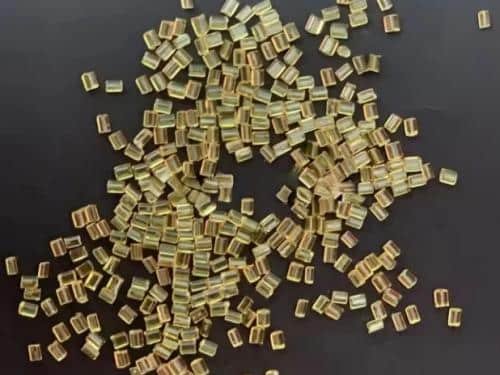
PPS (Polyphenylene Sulfide)
PPS offers excellent dimensional stability, low moisture absorption, and strong resistance to fuels, solvents, and chemicals. These properties make it suitable for electrical connectors, sensor housings, fuel system components, and other parts exposed to harsh environments.
PPS is often reinforced with glass fibers to improve stiffness and strength. However, fiber reinforcement can increase mold wear and requires careful control of material flow during molding.
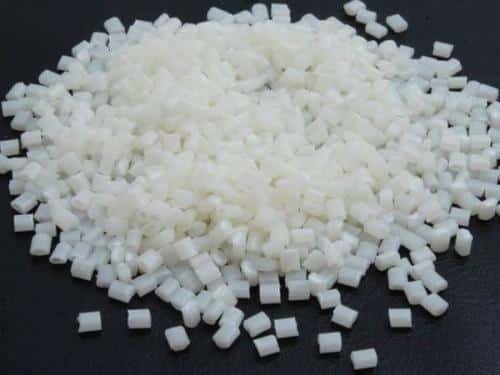
LCP (Liquid Crystal Polymer)
LCP is valued for its excellent flow characteristics, low moisture absorption, and electrical insulation properties. Its ability to fill extremely thin sections makes it ideal for compact aerospace electronics, connectors, and sensor components where space and weight are limited.
However, LCP’s directional shrinkage behavior requires precise mold design and warpage control to maintain dimensional accuracy.
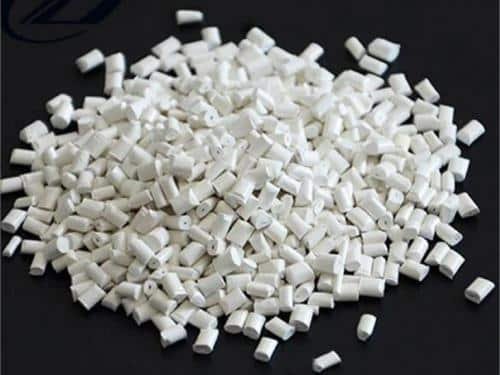
Fiber-Reinforced Aerospace Plastics
Carbon fiber and glass fiber reinforcement are commonly added to materials such as PEEK, PEI, and PPS to improve stiffness, strength, and thermal stability. These reinforced grades offer a higher strength-to-weight ratio and better dimensional performance under elevated temperatures.
The tradeoff is increased processing complexity. Fiber orientation affects mechanical properties, while abrasive fibers can accelerate mold wear and require optimized tooling design.
Common Aerospace Injection Molded Products
Aerospace injection molding is mainly used for components that require a combination of lightweight design, dimensional accuracy, chemical resistance, and reliable long-term performance. These parts are often found in aircraft interiors, electrical systems, and mechanical assemblies where traditional materials may add unnecessary weight or manufacturing complexity.
Cabin Interior Components
Cabin interiors are one of the most common applications for aerospace injection molding. Components such as tray tables, seat back shells, air vents, light bezels, and overhead bin parts are often molded from flame-retardant polymers like PEI (Ultem). These materials help meet aircraft interior safety requirements for flame resistance, smoke generation, and toxicity while maintaining lightweight structures that can withstand repeated use.
Exterior and Aerodynamic Components
Exterior components such as antenna housings, radome structures, and small aerodynamic covers may use reinforced polymer composites to achieve a balance of low weight, environmental resistance, and functional performance. Depending on the application, materials must provide properties such as RF transparency, UV resistance, and dimensional stability under temperature changes.
Brackets and Support Components
High-performance polymers and fiber-reinforced composites are increasingly used for secondary structural components, including mounting brackets, cable clamps, and support ribs. Materials such as PEEK and carbon or glass fiber-filled polymers provide high strength-to-weight ratios while maintaining resistance to vibration, mechanical loads, and long-term fatigue.
Fluid and Fuel System Components
Fuel connectors, valve housings, seals, and fluid management parts often rely on PEEK and PPS because of their resistance to fuels, hydraulic fluids, and chemicals. These components require excellent dimensional stability and reliable sealing performance to prevent leakage or material degradation during extended service.
Engine Bay Components
Components located near engines, such as sensor brackets, cable supports, duct parts, and protective housings, require materials that can withstand heat, vibration, and harsh operating conditions. High-temperature polymers like PEEK, PPS, and reinforced grades help maintain mechanical strength and dimensional stability in these demanding environments.