What Can We Customize in CNC Plastic Blocks?

Because every application has a different load path, gear design parameters must be evaluated individually. From tooth profile and module to bore diameter, hub configuration, and material grade, every parameter can be customized to meet your torque requirements, operating environment, and assembly constraints.

Dimensions

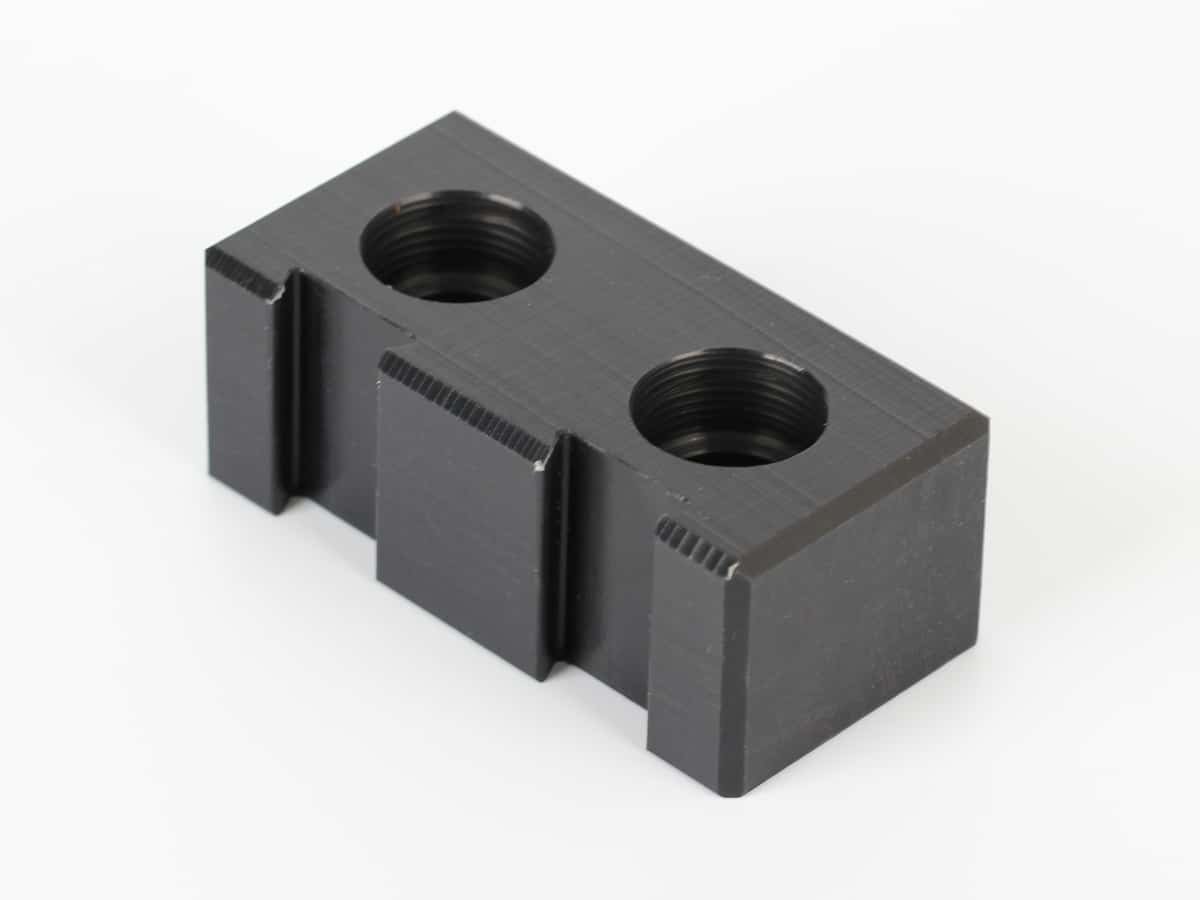
Our CNC equipment accommodates parts ranging from small precision components just a few millimeters in size to large plastic blocks exceeding 1,000mm in length, with multi-axis machining ensuring accuracy is maintained across the entire dimensional range. Length, width, and thickness can be specified independently to fit your exact assembly or design constraints, and we support both cut-to-size block machining and fully custom geometries machined from solid stock.

Materials

Material selection directly impacts how a part performs under real-world conditions, and we work with a broad range of industrial-grade plastics to match that need — including ABS, POM (Delrin), Nylon (PA6/PA66), PTFE, PVC, HDPE, PMMA (acrylic), and Polycarbonate (PC), among others. Our team can advise on material trade-offs during the design stage, helping you avoid costly rework by identifying the right grade before machining begins.

Colors

We offer CNC plastic blocks in a wide range of standard colors, including natural, black, white, and gray, with additional custom color matching available for brand consistency or application-specific requirements. Because color is integrated into the material itself rather than applied as a surface coating, it remains stable and consistent throughout the block, resisting fading or surface wear even after machining and repeated handling.

Secondary Operations

Beyond core CNC machining, we offer a range of secondary operations to turn your plastic blocks into fully finished parts. These include drilling, tapping, countersinking, slotting, chamfering, and deburring for assembly needs, as well as polishing, bead blasting, and laser engraving for improved appearance and permanent marking. Each secondary process is performed in-house, allowing us to maintain tight quality control and fast turnaround without relying on third-party outsourcing.

It is easy to fill the form.

Available for JPG, JPEG, PDF, DWG, DXF, PNG, STP, STEP, IGS and IGES files. Please note that all of your files will be kept confidential by Zhongde.

Why Choose Zhongde?

Machining a plastic block sounds like a simple operation — but it rarely is. Beyond basic dimensional accuracy, there are subtler details that don’t show up on an inspection report yet quietly determine how long a part lasts in the field.

In one POM order with ±0.02mm tolerance requirements, inspection revealed faint stress-whitening cracks near tapped holes — visible only under raking light, even though all dimensions were within spec. Instead of blaming the material, our engineers traced the issue to an imbalance between spindle speed and feed rate, which caused friction heat and mechanical stress to build inside the part.

The solution involved slower tapping speed, optimized feed rate, air cooling instead of dry cutting, and controlled clamping force — then verified through polarized stress analysis before the next production run. It’s this kind of process-level troubleshooting, not just accurate cutting, that keeps your parts reliable long after they pass inspection.

Why Choose Zhongde 1

Industries We Served

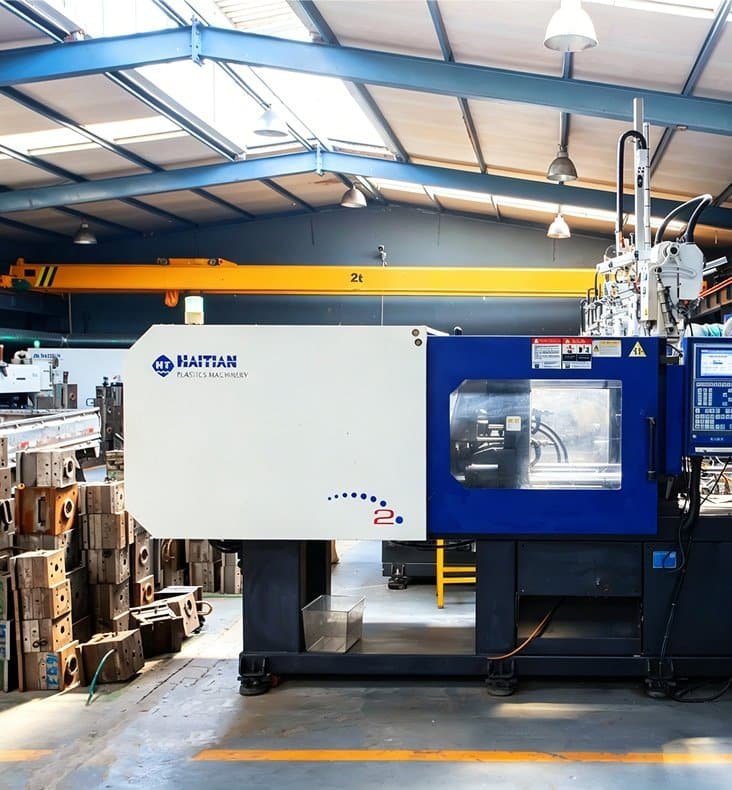
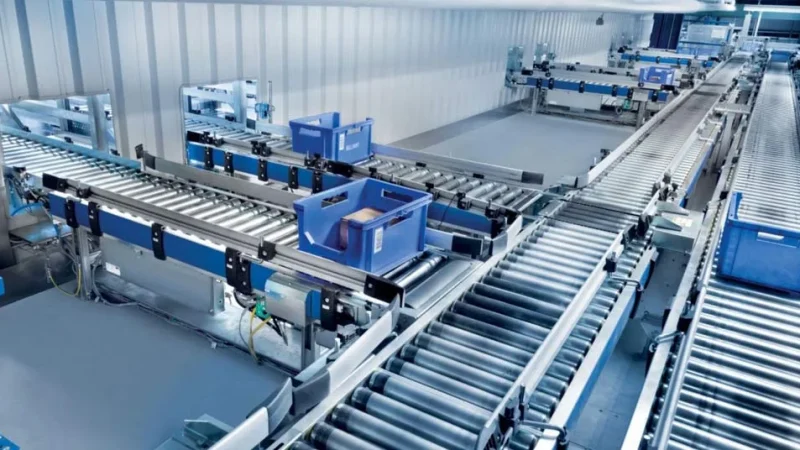
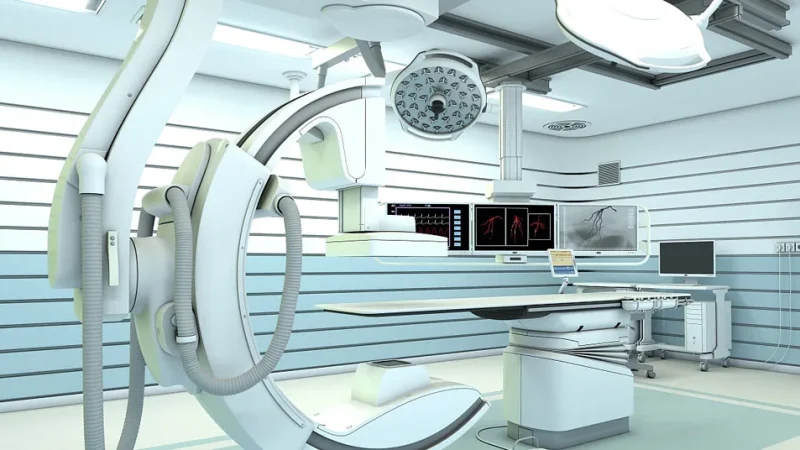
Zhongde has delivered custom TPE parts to numerous industries, helping clients achieve high-quality, precise, and reliable solutions across a variety of applications.

FAQs of CNC Plastic Blocks

View our FAQ center for more questions.

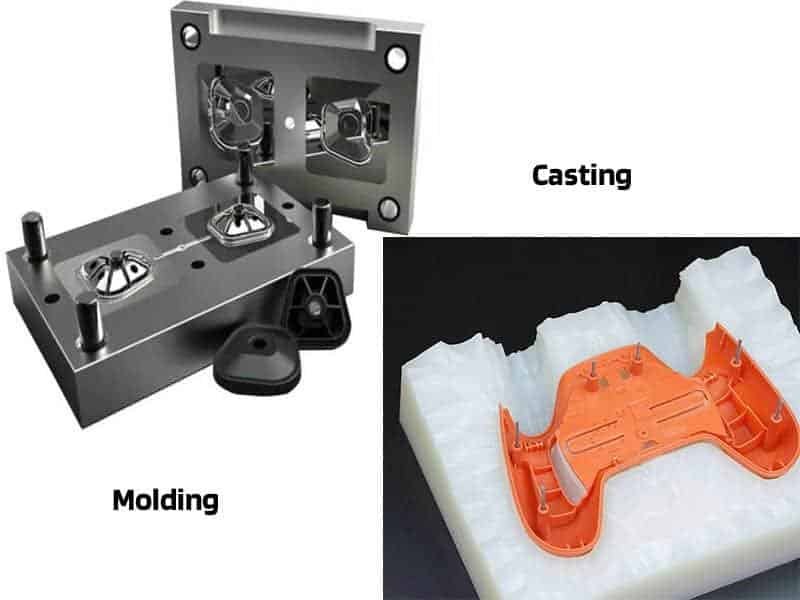
CNC machining removes material from a solid block rather than shaping it in a mold, which eliminates mold tooling costs and minimum volume requirements. This makes it a practical choice for custom, low-to-mid volume, or one-off parts, although the unit cost is generally higher than injection molding for large production runs.

Machined plastic parts generally do not shrink like molded parts, but some materials can release internal stress after machining, causing slight dimensional changes over time. This is more common with moisture-sensitive materials like Nylon or stress-sensitive materials like Delrin (POM). For tight-tolerance parts, we can recommend stress-relief steps or material choices to minimize this risk.

Yes, material costs vary significantly. General-purpose plastics like ABS or PVC are typically more economical, while high-performance materials like PEEK or PTFE cost more due to higher raw material prices and greater machining challenges.

Yes, we work with FDA-compliant and medical-grade materials, including certain grades of PTFE, POM, and UHMW-PE. Let us know the required standard (such as FDA or USP Class VI) during the quoting process so we can confirm material certification availability.

Zhongde's Manufacturing Capabilities for Custom Parts

We offer various manufacturing methods to turn your custom parts designs into real components, from prototypes to full production, matching the right process to your needs.