Home » Metal CNC Machining Parts » CNC Metal Spacers
CNC Metal Spacers
What Can We Customize in CNC Metal Spacers?
Every spacer starts with your choice of material and dimensions, then goes further — thread pitch, wall thickness, chamfer angle, surface finish, and other details that affect how the part fits and functions. We review these requirements with you before machining begins, ensuring the finished spacer matches not only your drawing dimensions but also the way it needs to perform once installed.
Thread & Mounting Options
Shapes
We machine to the profile your design calls for, including:
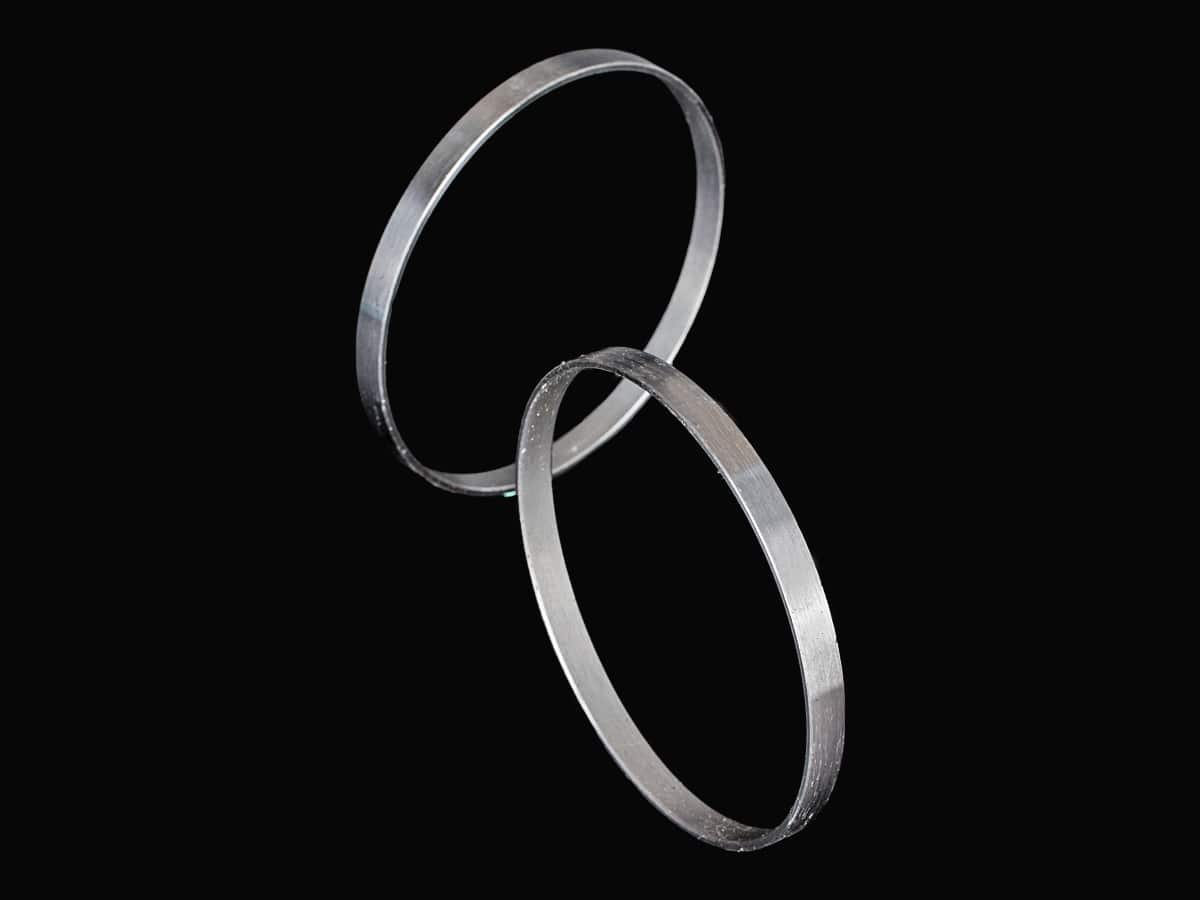
- Round metal spacers
- Flat metal spacers
- Square metal spacers
- Metal tube spacers
- Hex standoff
Materials
We machine to the grade your application calls for, including:
- Aluminum spacers
- Brass spacers
- Steel spacers
- Stainless steel spacers
- Hardened steel spacers
Applications
Applications we regularly machine for include:
- Circuit board spacers
- Rebar spacers
- Tile spacers
- Desk spacers
- Roof spacers
It is easy to fill the form.
Custom CNC metal Parts Solutions
Why Choose Zhongde?
We treat every metal spacer as a functional component, not just a machined piece with fixed dimensions. A spacer may look simple, but its material, tolerance, surface finish, and geometry directly affect alignment, clearance, fastening, and long-term reliability in the final assembly — which means small decisions during machining can be just as important as the dimensions shown on the print.
Wall thickness is one example. A typical challenge is producing a thin-walled spacer in a corrosion-resistant grade that needs to seat against a plated surface without damaging the finish. Machining thin walls to tight tolerances can introduce distortion during cutting, so we consider factors such as fixturing and machining sequence to maintain roundness throughout the thin-wall section. Fit can then be verified against the mating part before full production.
Surface finish raises a similar consideration from a different angle. If a spacer’s bore requires anodizing or plating, the added coating thickness must be accounted for during machining. The bore may need to be machined before finishing so the completed part still provides the required fit for the fastener or shaft.
These are the adjustments that often do not appear on a drawing but determine whether a part works after installation. They are the details we review before machining begins, whether for a prototype or a production run.
Industries We Served
FAQs of CNC Metal Spacers
Zhongde's Manufacturing Capabilities for Custom Parts
Injection Molding
CNC Machining
Compression Molding
Cast Molding