What Can We Customize in CNC Metal Shafts?

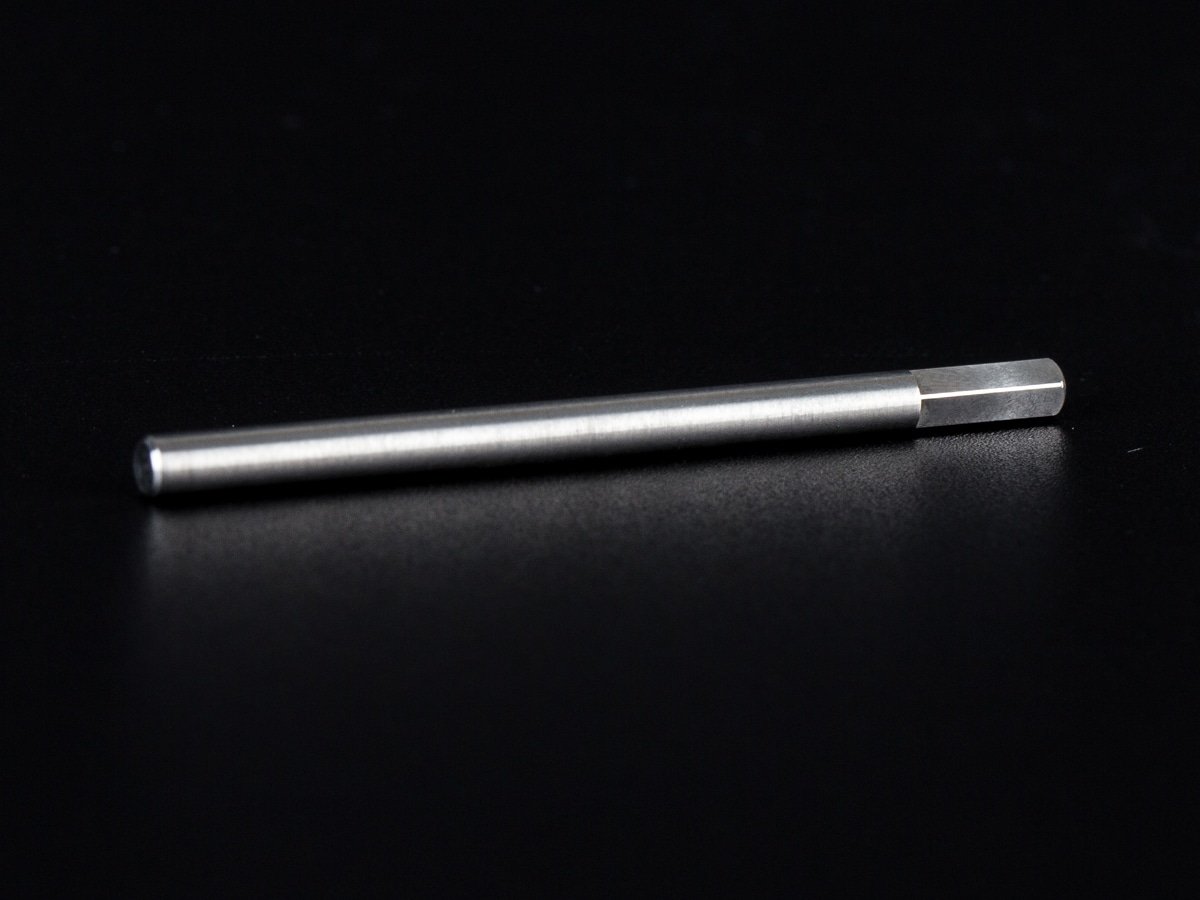
Each shaft can be customized by material, dimensions, and surface finish to meet your design and application requirements. Choose the specifications that best fit your performance, assembly, and operating conditions.

Dimensional Tolerances

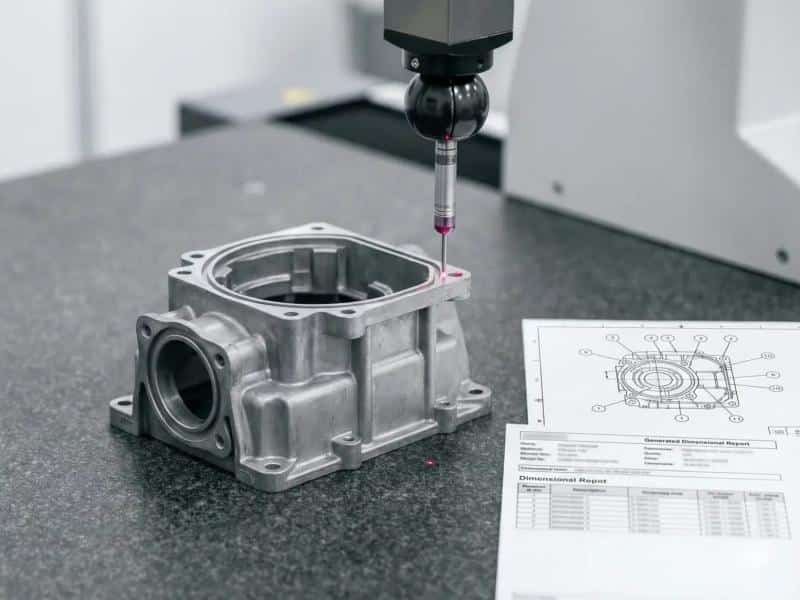
Tolerance requirements vary by application — a precision bushing fit may require ±0.01mm, while a structural shaft can work within a wider range. Our engineering team reviews your drawing early, identifies features where tight tolerances genuinely matter, and confirms achievable tolerances for each dimension before machining begins.

Functions

Shafts serve different roles — transmitting torque, supporting rotating components, or positioning parts with precision. Tell us the function your shaft performs, and we'll flag design details that affect its performance in that application, such as stress concentrations, fit tolerances, or material fatigue characteristics. You bring the design intent; we bring manufacturing perspective to help it perform as intended.

Materials

We machine shafts from stainless steel, aluminum, brass, carbon steel, and alloy steel, each offering different combinations of strength, weight, corrosion resistance, wear resistance, and cost. If you're selecting a material for a specific application, we can share how each option typically performs under mechanical loads, temperature changes, and environmental conditions to help you make an informed decision.

Secondary Operations

In addition to core turning and milling, shafts often require additional processes — heat treatment for hardness, surface treatments for corrosion resistance, keyway cutting, threading, or precision grinding for tighter tolerances and surface finishes. Specify the operations your application requires, and we'll integrate them into the manufacturing process based on your part requirements.

It is easy to fill the form.

Available for JPG, JPEG, PDF, DWG, DXF, PNG, STP, STEP, IGS and IGES files. Please note that all of your files will be kept confidential by Zhongde.

Why Choose Zhongde?

Shaft geometry can amplify dimensional variation in ways that are less critical on many flat components. A small deviation in diameter, concentricity, or alignment across a shaft’s length can contribute to runout or assembly issues, especially on longer shafts or multi-diameter designs. Zhongde addresses these challenges through controlled fixturing and in-process measurement at multiple points along the shaft, allowing deviations to be identified and corrected during production.

Material traceability is maintained through heat number records when required, linking the mechanical properties of finished parts back to their original mill documentation. For shafts requiring secondary operations, process sequence is equally important: heat treatment before final grinding helps maintain dimensional accuracy, while applying coatings after threading helps preserve thread fit. Zhongde plans each operation sequence based on how individual processes interact, ensuring the final shaft meets both functional and manufacturing requirements.

Why Choose Zhongde 1

Industries We Served

Zhongde has delivered custom TPE parts to numerous industries, helping clients achieve high-quality, precise, and reliable solutions across a variety of applications.

FAQs of CNC Metal Shafts

View our FAQ center for more questions.

Stainless steel is often selected for corrosion-exposed environments, aluminum for weight-sensitive applications, carbon and alloy steel for higher load requirements where strength and durability matter, and brass for components that benefit from excellent machinability. Share your load conditions, operating environment, and cost priorities, and we can help evaluate which material best fits your application.

Yes. Stepped shafts, shoulders, grooves, and varying diameters along a single length are within our CNC turning capability. We control critical features such as concentricity, shoulder dimensions, and fit tolerances according to your drawing requirements.

Yes. Threading is planned as part of the overall machining sequence. When additional operations such as coating or heat treatment are required, we account for their effects on thread dimensions and final fit to maintain the specified requirements.

Zhongde's Manufacturing Capabilities for Custom Parts

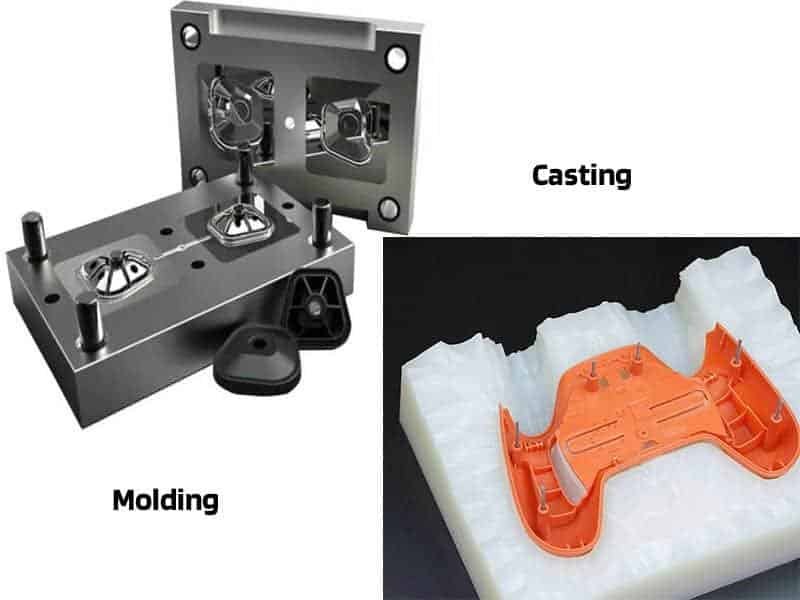
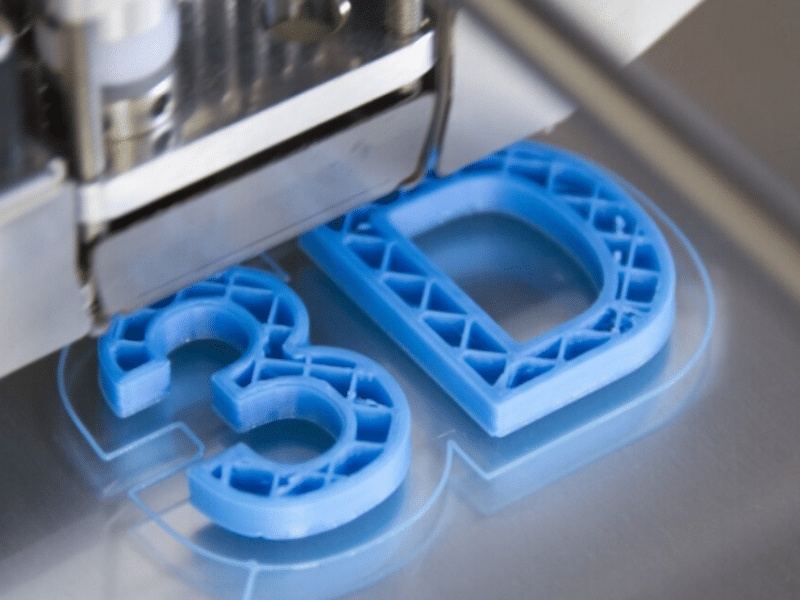
We offer various manufacturing methods to turn your custom parts designs into real components, from prototypes to full production, matching the right process to your needs.