Silicone compression molding is a widely used manufacturing process, particularly suited for creating precise, durable, and complex components from silicone rubber. Known for its flexibility and ability to handle high-temperature environments, silicone compression molding is essential in industries such as medical, automotive, electronics, and more.
What is Silicone Compression Molding?
Silicone compression molding is a technique that involves placing a measured amount of silicone material into an open mold cavity, where heat and pressure are applied to cure the material. Unlike other molding processes, compression molding does not require injection or extrusion. Instead, the mold is manually loaded with the material, and once the mold is closed, the silicone is pressed into the mold’s shape.
Materials Used in Silicone Compression Molding
Various types of silicone materials are used in the silicone compression molding process, each with its unique properties and applications. The most common materials are liquid silicone rubber (LSR) and solid silicone rubber.
Liquid Silicone Rubber (LSR): LSR is a two-part silicone material that is often used in molding complex, high-precision parts. It flows easily into molds, providing a smooth finish and excellent detail replication. LSR is often chosen for its flexibility, resistance to high temperatures, and its ability to meet stringent safety and performance standards.
Solid Silicone Rubber: Unlike LSR, solid silicone rubber is a more rigid material that is typically used for larger parts or components that require additional structural integrity. It is ideal for manufacturing items that are exposed to mechanical stress or that need to maintain their shape under high pressure or high-temperature conditions.
The Silicone Compression Molding Process
The process of silicone compression molding can be broken down into several steps:
- Preparation of Materials: First, silicone rubber is preheated to a specific temperature to enhance its flowability. The rubber material may be mixed with colorants, curing agents, or other additives to achieve the desired properties for the final product.
- Mold Loading: A measured amount of silicone is placed into the open mold cavity. This is typically done by hand or using automated equipment, depending on the complexity and scale of production.
- Molding: The mold is then closed, and heat and pressure are applied. The heat softens the silicone, allowing it to flow into all areas of the mold, while the pressure ensures that the silicone fills the cavity completely, replicating the mold’s shape precisely.
- Curing: After the silicone is fully molded into the shape of the cavity, the material is allowed to cure. Curing typically involves the application of heat for a specific period, during which the silicone solidifies into its final form. The curing time and temperature depend on the type of silicone used and the complexity of the mold.
- Ejection and Cooling: Once the curing process is complete, the mold is opened, and the silicone part is removed. The part is then allowed to cool and harden before undergoing any additional finishing processes.
Advantages of Silicone Compression Molding
Silicone compression molding offers several significant benefits, making it an attractive option for manufacturers in various industries.
Cost-Effectiveness: Silicone compression molding is a relatively inexpensive process, particularly for low- to medium-volume production runs. The simplicity of the mold design and the lack of complex machinery needed contribute to lower production costs.
Precision and Consistency: The compression molding process allows for the creation of highly detailed parts with consistent quality. Because the silicone is pressed into the mold under controlled heat and pressure, the products can achieve tight tolerances and a high degree of accuracy.
Flexibility in Design: Silicone compression molding allows for the creation of parts with complex shapes, intricate details, and thin walls. This flexibility makes it suitable for a wide range of applications, including medical devices, automotive components, and electronic seals.
Durability and Resistance: Compression-molded silicone is known for its ability to withstand high temperatures, UV exposure, and harsh chemicals. It is also highly resistant to compression set.
Minimal Waste: The silicone compression molding process is efficient in terms of material usage. Since the silicone is directly placed into the mold cavity, there is little to no waste produced during the molding process.
Common Defects and Solutions in Silicone Compression Molding
Although silicone compression molding is an efficient and reliable process, there are some common defects. Identifying and addressing these issues promptly is essential to maintaining product quality:
Air Bubbles
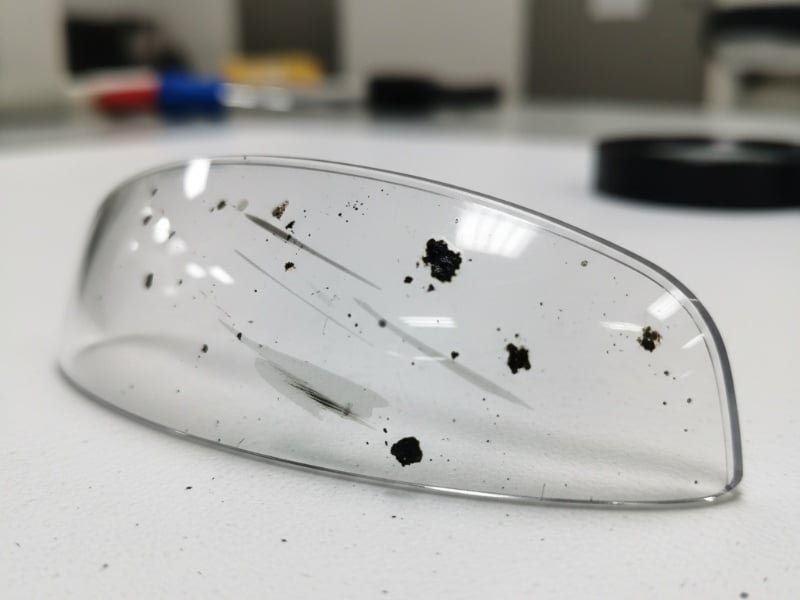
Air bubbles can form in the silicone material during the molding process, leading to weak spots in the final product. This can be caused by insufficient vacuuming or improper molding temperatures.
To resolve this, apply degassing techniques or adjust the temperature and pressure settings.
Uneven Curing
If the silicone does not cure uniformly, the part may have soft or hard areas. This can occur due to temperature variations or poor mold design.
Ensuring proper temperature control and evenly distributing pressure can help prevent this defect.
Flash
Flash refers to excess silicone that escapes from the mold during compression. Flash can result in additional trimming costs and can affect the part’s appearance.
Ensuring proper mold design and carefully controlling the molding pressure can minimize the occurrence of flash.
Sink Marks
Sink marks are depressions that form on the surface of a molded part. These defects are typically caused by uneven cooling or excessive pressure.
To prevent sink marks, adjust the molding process to allow for more even cooling and pressure distribution.
Compare with Other Silicone Molding Processes
There are several methods used to mold silicone rubber components.
Silicone Injection Molding
Silicone injection molding involves injecting liquid silicone rubber (LSR) into a mold under high pressure. This process is often used for producing parts with more complex geometries and higher precision than compression molding. It is typically better suited for high-volume production, while compression molding is more suitable for lower volumes.
Silicone Transfer Molding
Similar to compression molding, silicone transfer molding involves placing silicone material into a cavity. However, in transfer molding, the material is first placed into a transfer pot, where it is heated and then injected into the mold. This process is typically used for molding intricate designs and is often used for smaller components.
Liquid Silicone Rubber (LSR) Molding
LSR molding, or injection molding, is ideal for manufacturing small, high-precision parts with complex shapes. This process is capable of producing parts with thinner walls and finer details than compression molding, but it requires preheating the silicone and transferring it into the mold cavity through a runner system.
Typical Application Areas and Directions for Success Cases
Silicone compression molding serves multiple industries with reliable parts.
Medical: Seals, tubing, and implants.
Automotive: Gaskets, seals, and grommets.
Consumer electronics: keypads, seals, and insulators.
Aerospace: Vibration dampers and connectors.
Food and beverage: Baking molds, seals, and spatulas.
Industrial: O-rings, diaphragms, and custom pads for sealing and cushioning.
Conclusion
Silicone compression molding is a reliable and widely used process in manufacturing silicone components. Whether producing simple seals or complex medical devices, silicone rubber compression molding provides a versatile solution for high-quality, durable components. While there are some limitations and considerations during the process, the experienced manufacturer can address the defects. Zhongde provides professional silicone molding processes. Welcome to contact us and get a custom silicone molding solution.