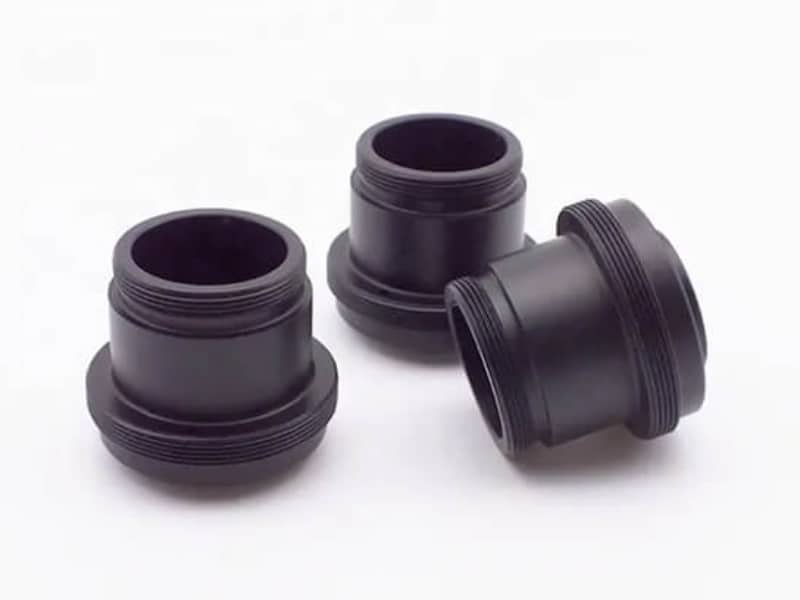
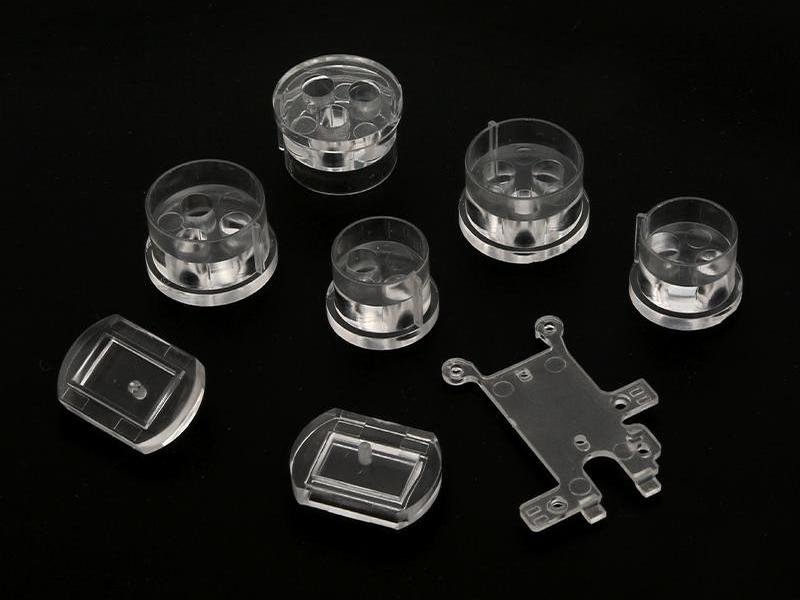
In injection molding, every step of the process affects the quality and consistency of the final plastic part. Before molten plastic fills the mold cavity, it must first pass through the connection between the injection machine and the mold. This small but important component is the injection molding nozzle.
What Is an Injection Molding Nozzle?
An injection molding nozzle is a component located at the front end of an injection molding machine barrel. It creates a connection between the machine’s injection unit and the mold, allowing molten plastic to flow into the mold cavity during the injection stage.
When the plastic material is heated and melted inside the barrel, the screw pushes the molten plastic forward under pressure. The nozzle then guides this material through the sprue bushing and into the mold runner system or directly into the cavity, depending on the mold design.
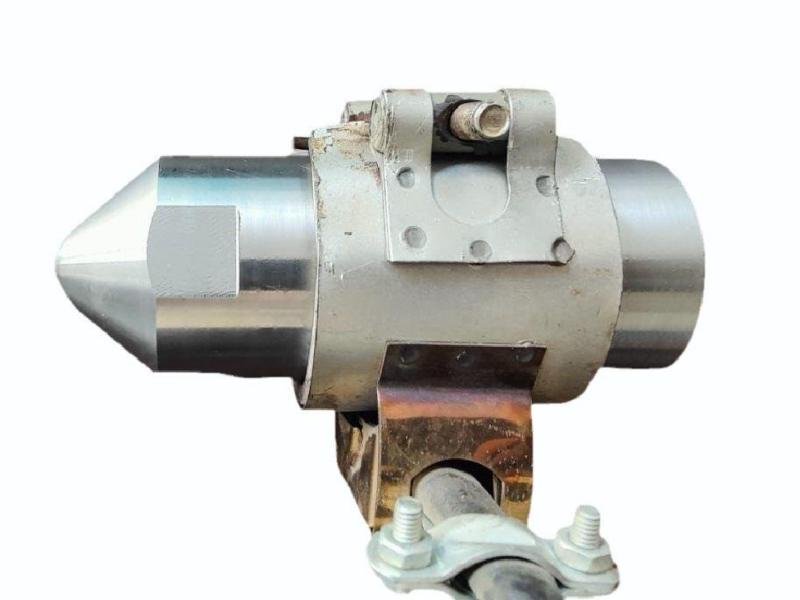
The terms “injection molding nozzle” and “nozzle tip” are often used interchangeably, but they refer to different parts. The nozzle is the complete assembly, while the nozzle tip is the front section that connects with the mold sprue bushing. Learn more about nozzle tip in our guide to injection molding nozzle tips.
Why Does Injection Molding Nozzle Matter?
The injection molding nozzle is the last section that molten plastic passes through before entering the mold. At this stage, the material is already heated and pressurized, so any changes in flow resistance, temperature, or nozzle condition can affect how the plastic fills the mold.
Maintains Proper Melt Flow
During injection, the screw pushes molten plastic through the nozzle at high pressure. The internal flow path of the nozzle needs to provide smooth and consistent material transfer. If the nozzle opening is too small, the melt may experience excessive shear and pressure loss, making it harder to fill the mold properly. If the flow path is poorly matched to the material, it may also cause uneven filling or longer injection times.
Controls Melt Temperature at the Injection Point
Plastic materials require a suitable processing temperature to flow correctly. The nozzle must maintain the melt temperature as the material moves from the heated barrel to the mold. Insufficient heating can increase melt viscosity and restrict flow, while excessive heat may cause material degradation, especially for heat-sensitive plastics.
Affects Gate Filling and Part Quality
The nozzle works together with the mold sprue bushing and runner system to deliver plastic into the cavity. A mismatch between the nozzle tip and sprue bushing can create leakage, pressure loss, or unstable filling conditions. These issues may contribute to defects such as short shots, flow marks, or inconsistent dimensions.
Reduces Material Loss and Production Interruptions
During continuous molding, the nozzle must stop and restart material flow accurately between cycles. Problems such as plastic drooling, cold material buildup, or nozzle blockage can waste material and require additional cleaning or maintenance time.
Types of Injection Molding Nozzles
Injection molding nozzles are commonly classified by their structure, flow control method, or application. These categories are not always mutually exclusive, as some designs may combine different features. For example, a valve gate nozzle is often used in a hot runner system, while open and shut-off nozzles describe how melt flow is controlled.
The following types represent common nozzle designs and industry terms rather than strictly separate groups.
Open Nozzle
An open nozzle is the simplest and most commonly used type of injection molding nozzle. It has a direct, unobstructed flow path that allows molten plastic to pass from the barrel into the mold.
Because of its simple structure, an open nozzle is easy to maintain and suitable for many general-purpose injection molding applications. However, since there is no mechanism to stop material flow after injection, it may be more likely to experience plastic drooling or stringing, especially with materials that have lower viscosity or higher processing temperatures.
Shut-Off Nozzle
A shut-off nozzle uses a mechanical or valve mechanism to close the melt passage after injection. This prevents molten plastic from continuing to flow out of the nozzle tip when the injection stage is complete.
Compared with open nozzles, shut-off nozzles provide better control over material flow and help reduce drooling. They are often used in applications that require consistent shot size, cleaner operation, or improved process stability.
Hot Runner Nozzle
A hot runner nozzle is used as part of a hot runner mold system. It contains a heating element that keeps the plastic molten as it travels through the nozzle and into the mold cavity.
By keeping the material heated throughout the runner system, hot runner nozzles help reduce cold runner waste and improve cycle efficiency. They are commonly used for high-volume production, multi-cavity molds, and applications where material savings or gate appearance are important.
Valve Gate Nozzle
A valve gate nozzle uses a movable valve pin to control when molten plastic enters the mold. The valve pin opens and closes the gate mechanically, providing more precise control over the injection process.
This type of nozzle helps achieve cleaner gate appearance, better filling control, and more consistent part quality. It is often selected for precision molding applications or parts where gate marks and appearance requirements are important.
Extended Nozzle
An extended nozzle has a longer tip length compared with standard nozzles. It is designed for molds where the machine nozzle cannot directly reach the sprue bushing due to mold structure or special layouts.
While extended nozzles provide more flexibility in mold setup, their length and flow path need to be carefully considered because excessive heat loss or pressure drop may affect material flow.
How to Choose the Right Injection Molding Nozzle?
Choosing an injection molding nozzle is not simply about selecting a nozzle that fits the machine.
Consider the Plastic Material
Different plastic materials have different flow behaviors and processing requirements. Materials with higher viscosity may require a nozzle with a larger flow path to reduce resistance during injection, while heat-sensitive plastics may need better temperature control to prevent degradation.
For example, engineering plastics such as PC, POM, or glass-filled nylon often require careful nozzle selection because their processing conditions can strongly affect part quality. The nozzle design should match the material’s viscosity, processing temperature, and sensitivity to heat or shear.
Match the Nozzle with the Mold Design
The nozzle must work correctly with the mold’s sprue bushing, runner system, and gate design. The nozzle tip size and contact surface need to match the mold to prevent problems such as leakage, pressure loss, or unstable filling.
For molds using hot runner systems, the nozzle design also needs to match the hot runner configuration. Valve gate systems, for example, require nozzles that can provide precise control over melt opening and closing.
Consider Production Volume and Part Requirements
Production goals also influence nozzle selection. For high-volume production, hot runner or valve gate nozzles may be preferred because they can reduce material waste and improve cycle consistency. For general-purpose molding or lower-volume production, simpler nozzle designs may provide a more practical solution.
Parts with strict appearance requirements, tight tolerances, or visible gate areas may also benefit from nozzle designs that offer better flow control.
Ensure Machine Compatibility
Even if a nozzle is suitable for the material and mold, it must still match the injection molding machine. Important factors include nozzle dimensions, tip radius, heating requirements, and connection design.
An improper match between the nozzle and machine can result in poor contact with the mold, heat loss, or unstable plastic flow during injection.
Common Injection Molding Nozzle Problems
Although nozzle failures are sometimes caused by improper selection, many issues develop gradually due to temperature changes, material buildup, wear, or poor maintenance. Understanding common symptoms and their possible causes helps reduce downtime and maintain consistent molding performance.
Plastic Leakage from the Nozzle
Plastic leakage occurs when molten material continues to flow from the nozzle tip after injection. This is often caused by excessive nozzle temperature, poor shut-off performance, or improper contact between the nozzle tip and the mold sprue bushing. Continuous leakage can increase material waste and create cleaning problems during production.
Nozzle Blockage or Restricted Material Flow
A blocked nozzle prevents molten plastic from flowing smoothly into the mold. This problem may result from carbon buildup, degraded plastic, contaminants, or insufficient nozzle temperature that causes the material to solidify inside the flow path.
Unstable Filling and Short Shots
When the nozzle restricts melt flow, the mold cavity may not be filled completely or evenly. An unsuitable nozzle opening size, excessive pressure loss, or mismatch between the nozzle and plastic material can contribute to short shots and inconsistent part dimensions.
Nozzle Wear and Damage
Repeated exposure to high temperatures, injection pressure, and abrasive materials can gradually wear the nozzle tip and internal flow surfaces. This is especially common when processing reinforced plastics containing glass fibers or mineral fillers. A worn nozzle may affect sealing performance and reduce molding consistency.
How to Solve Injection Molding Nozzle Problems
The solution depends on the specific cause of the nozzle issue. Common troubleshooting methods include:
- Adjust nozzle temperature: Maintain the correct temperature to keep the plastic melt flowing properly and prevent degradation or solidification.
- Clean the nozzle regularly: Remove carbon buildup, degraded plastic, and contaminants that may restrict material flow.
- Check nozzle and mold compatibility: Make sure the nozzle tip properly matches the sprue bushing to avoid leakage and pressure loss.
- Inspect and replace worn parts: Replace damaged nozzle tips or components when wear affects sealing performance or flow stability.
- Review material and processing conditions: Confirm that the nozzle design and molding parameters are suitable for the plastic material being processed.
Conclusion
Understanding injection molding nozzles is a useful step toward making better decisions for your molding projects. With a clearer understanding of nozzle selection, common problems, and maintenance considerations, you can communicate more effectively with your molding partner and avoid potential issues during production.
If you are developing a new product or looking to improve an existing design, Zhongde is ready to support you with our custom injection molding service. From material selection and DFM support to reliable production, we help turn your ideas into consistent molded parts.