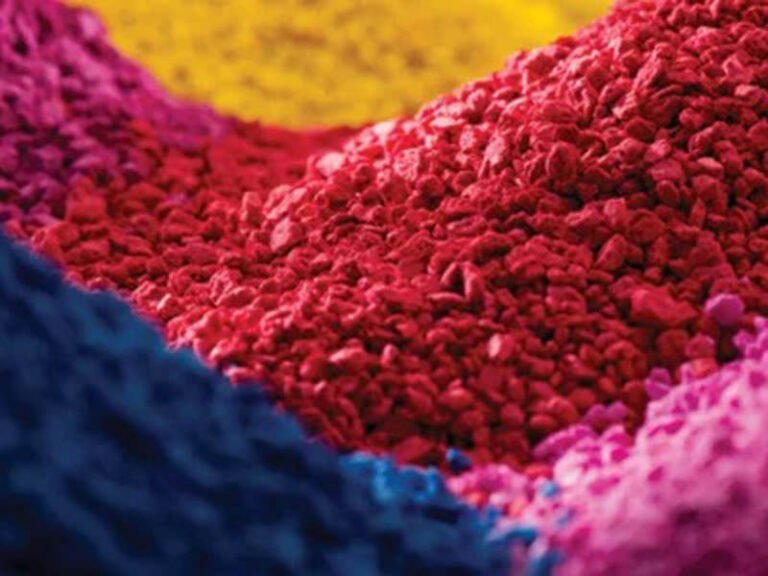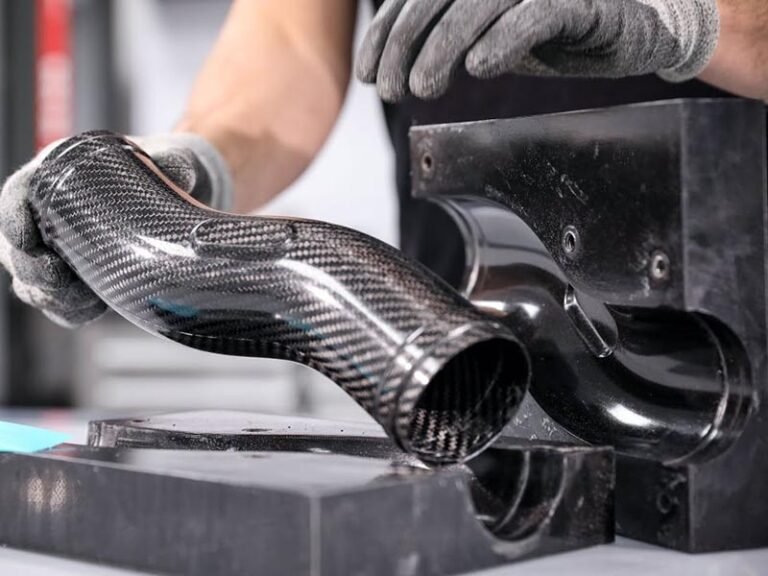
Compression molding is one of the most popular forming technologies in polymer and composite manufacturing. The selection of compression molding material plays a critical role in determining the final product’s properties, including strength, durability, and resistance to heat or chemicals. Different materials respond uniquely to the heat and pressure applied during the process, affecting outcomes like dimensional stability and surface finish. This article focuses on compression molding material as the core topic and examines various types, classifications, properties, and applications.
In compression molding, the material is typically placed into a heated mold cavity and shaped through the simultaneous application of temperature and pressure. Compression molding relies more heavily on controlled material deformation and consolidation. This distinction places greater emphasis on material rheology, fiber distribution, and curing kinetics.
Materials for compression molding are classified based on their polymer structure, composition, and specific properties.
Thermoplastic Compression Molding Materials
Thermoplastic compression molding involves materials that soften when heated and harden when cooled, allowing multiple reshaping cycles. These materials exhibit good toughness and recyclability. Processing requires careful temperature control to prevent degradation. General thermoplastic compression molding uses polymers like polypropylene or nylon. These offer melt flow suitable for filling molds.
Within plastic compression molding, materials such as PTFE compression molding compounds and UHMWPE compression molding grades are widely used due to their exceptional chemical and tribological properties. PTFE exhibits extremely low friction and near-universal chemical resistance, while UHMWPE offers outstanding impact strength and wear resistance under repetitive loading.
Properties of Thermoplastic Compression Molding
These materials do not cure. They melt, flow under pressure, and resolidify as the mold cools. The absence of crosslinking simplifies process control but demands precise temperature management to avoid incomplete consolidation.
Applications of Thermoplastic Compression Molding
Typical applications for thermoplastic compression molding materials include chemical processing components, sliding bearings, wear pads, valve seats, and liners operating in corrosive or abrasive environments.
Thermoset Compression Molding Materials
Thermoset compression molding uses materials that undergo irreversible chemical cross-linking during processing, resulting in high thermal stability and rigidity. Once cured, they cannot be remelted.
Common thermoset compression molding materials include phenolic, epoxy, polyester, and vinyl ester systems. During molding, these materials transition from a pliable state into a rigid, three-dimensional molecular network. Dimensional stability improves dramatically as curing progresses, even under sustained thermal or mechanical stress.
Properties of Thermoset Compression Molding
The primary advantages of thermoset compression molding materials include high heat resistance, excellent electrical insulation, and predictable long-term performance. However, the curing process requires carefully controlled cycle times and mold temperatures.
Application of Thermoset Compression Molding
Typical applications include electrical housings, circuit protection components, industrial panels, and structural parts exposed to elevated temperatures. In these environments, thermoset materials provide reliability that thermoplastics often cannot match.
Rubber Compression Molding Materials
Rubber compression molding focuses on elastomeric materials designed to deform under load and recover once the load is removed. These materials are processed through vulcanization or addition curing, depending on the rubber chemistry.
General-purpose rubber compression molding materials include:
- Natural rubber
- Styrene-butadiene rubber (SBR)
- Nitrile-butadiene rubber (NBR)
- Butyl rubber (IIR)
- Ethylene propylene diene monomer (EPDM)
- Silicone rubber
Silicone Compression Molding
A specialized subset is silicone compression molding, which uses high-consistency silicone rubber. Silicone materials maintain flexibility across an exceptionally wide temperature range and exhibit excellent aging and weather resistance. In addition, certain grades meet stringent biocompatibility standards.
Application of Rubber Compression Molding
Typical applications for rubber and silicone compression molding include industrial gaskets, static and dynamic seals, vibration isolators, medical-grade sealing components, and food-contact parts. In these cases, elasticity and resilience are the primary performance drivers.
Composite Compression Molding Materials
Composite compression molding integrates reinforcement fibers with a polymer matrix to achieve high strength-to-weight ratios. This category encompasses a broad range of materials, differentiated primarily by fiber type and resin system.
Fiberglass Compression Molding
Fiber glass compression molding typically employs glass fiber-reinforced compounds such as SMC (Sheet Molding Compound) or BMC (Bulk Molding Compound). These materials balance mechanical performance with cost efficiency and process consistency. Glass fibers provide stiffness and strength, while the resin matrix ensures surface quality and corrosion resistance.
Typical applications include automotive body panels, electrical enclosures, industrial covers, and structural housings. Fiberglass compression molding is often selected where moderate structural performance and high production volumes intersect.
Carbon Fiber Compression Molding
Carbon fiber compression molding targets high-performance applications where weight reduction and mechanical strength are critical. Carbon fibers offer superior stiffness and fatigue resistance, albeit at higher material and processing costs.
Typical applications include automotive structural reinforcements, aerospace interior components, and high-performance industrial parts. In these sectors, material efficiency directly translates into performance gains.
Compression Molding Materials List
| Material Name | Type | Key Properties & Applications |
|---|---|---|
| Polypropylene (PP) | Thermoplastic | Lightweight, chemical-resistant; automotive parts, containers suasemould |
| Polyethylene (PE) | Thermoplastic | Tough, low-cost, moisture-resistant; packaging, pipes macrodynepress |
| Nylon (Polyamide) | Thermoplastic | High strength, abrasion-resistant; gears, bearings fictiv |
| Polycarbonate (PC) | Thermoplastic | Impact-resistant, transparent; lenses, enclosures suasemould |
| ABS | Thermoplastic | Tough, impact-resistant, easy to mold; housings, toys macrodynepress |
| HDPE | Thermoplastic | High strength-to-density, recyclable; bottles, tanks fictiv |
| UHMWPE | Thermoplastic | Ultra-high wear resistance, self-lubricating; liners, prosthetics suasemould |
| PEEK | Thermoplastic | High-temp resistant, chemical-stable; aerospace, medical implants macrodynepress |
| Phenolic Resin | Thermoset | Heat-resistant, dimensionally stable; electrical insulators, handles daviesmolding |
| Epoxy | Thermoset | Strong adhesion, corrosion-resistant; composites, adhesives versatilemd |
| Natural Rubber | Rubber | High elasticity, tear-resistant; tires, seals daviesmolding |
| EPDM | Rubber | UV/ozone-resistant, flexible; weatherstripping, roofing daviesmolding |
| Silicone Rubber | Rubber | High-temp tolerant, flexible; seals, medical tubing fictiv |
| Glass Fiber | Composite | High strength-to-weight, stiff; structural panels zjmdc |
| Carbon Fiber | Composite | Extremely strong, lightweight; aerospace parts macrodynepress |
Material Selection Considerations for Compression Molding
Successful material selection balances performance demands with manufacturability and lifecycle cost.
The first is functional requirements. Load conditions, operating temperature, and environmental exposure narrow the field quickly.
Part geometry and thickness further influence material choice, particularly where fiber orientation or flow limitations exist.
Production volume and cost constraints must also be considered. While carbon fiber compression molding delivers exceptional performance, it may not be economically viable for high-volume consumer applications.
Conclusion
Compression molding materials vary widely. Each offers distinct properties suited to specific needs. Selecting the right compression molding materials is the point to getting reliable manufacturing outcomes. Zhongde provides professional compression molding service. Welcome to contact us and get a custom compression molding solution for your project.